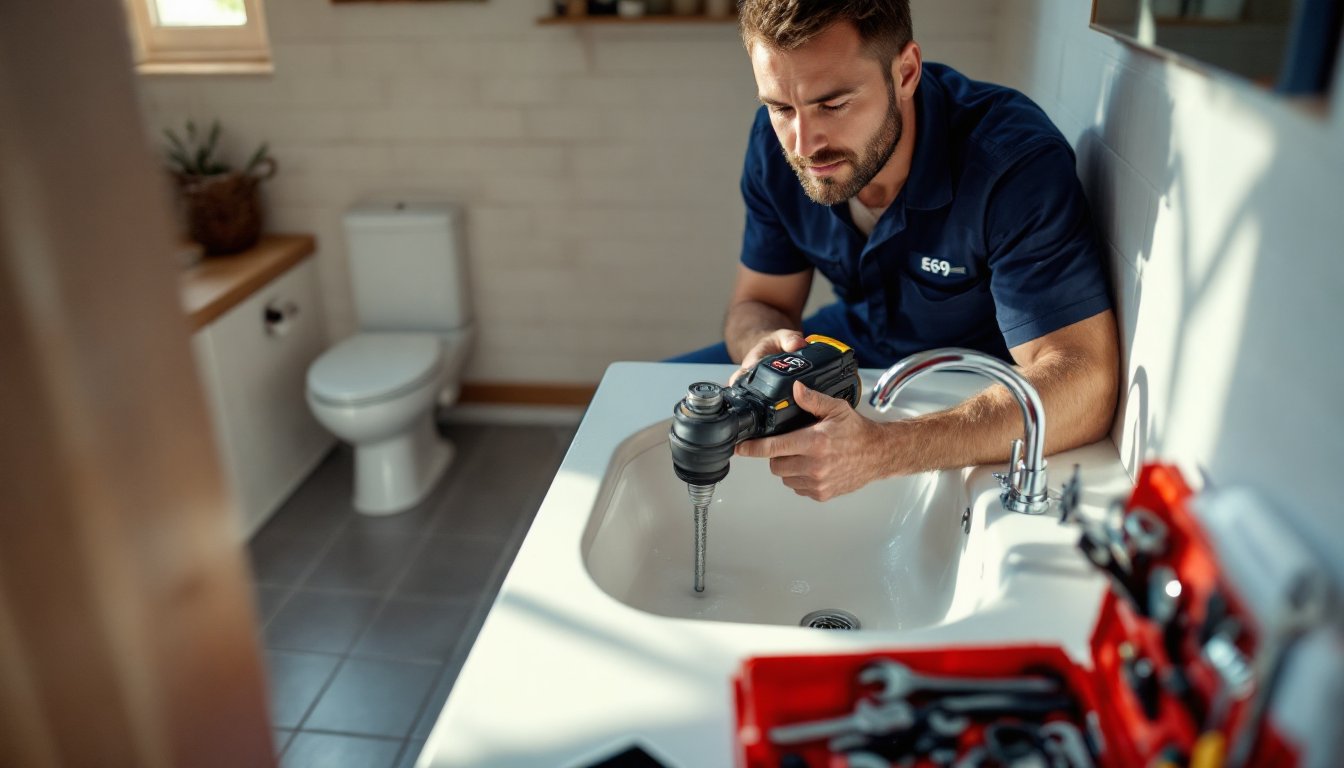
When a sink gurgles or a shower drain slows to a crawl, the clock starts ticking. Most homeowners have been there, standing in ankle-deep water, plunger in hand, wondering whether to keep fighting or call in the pros. Budget drain cleaning services advertising $69 specials have become increasingly common, but what do you actually get for that price? And more importantly, how do you separate legitimate deals from bait-and-switch operations? This guide breaks down exactly what these services include, when they’re worth the call, and how to find a reliable plumber without getting soaked on hidden fees.
Table of Contents
ToggleKey Takeaways
- A $69 drain cleaning typically covers one basic drain with mechanical snaking up to 50 feet, including inspection and testing, but excludes multiple drains, main sewer lines, and repairs.
- Professional drain cleaning near me is worth the cost when multiple drains back up, sewage backs up into fixtures, clogs return within days, or you rent in a multi-unit building.
- Legitimate $69 deals require state plumbing licenses, liability insurance, recent customer reviews, and clear written estimates that specify what’s covered before work begins.
- Red flags in budget drain services include bait-and-switch upsells, no written estimate, unlicensed technicians, cash-only payments, and vague online presence—always verify credentials with your state’s contractor board.
- Before booking, clarify whether the $69 covers the service call or has a separate trip charge, confirm the cable length and scope, and ask about guarantees and payment methods to avoid surprise fees.
- Maximize your service by clearing drain access, identifying cleanout points, describing symptoms accurately, and asking for care tips to prevent future clogs and costly repairs.
What’s Included in a $69 Drain Cleaning Service?
The $69 price point typically covers a basic, single-drain cleaning for straightforward clogs, think kitchen sinks, bathroom lavs, or tub drains. Most companies using this pricing tier will send a technician with a manual snake (also called an auger) or a small motorized drum auger to clear blockages within the first 25-50 feet of pipe.
Here’s what’s usually included:
- Diagnostic inspection of the clogged drain (visual check, sometimes a quick camera peek if it’s part of the standard process)
- One drain line cleared using mechanical snaking equipment
- Removal of typical obstructions like hair clumps, soap buildup, grease, or small foreign objects
- Basic testing to confirm water flows freely after service
What’s typically not included:
- Multiple drains. If your bathroom sink and tub both need attention, expect an additional charge per drain.
- Main sewer line cleanouts. These require larger equipment (up to 100-foot cables or hydro-jetting) and run $150-$400+.
- Camera inspections beyond a quick look. Full video diagnostics usually add $100-$300.
- Repairs. If the tech finds a broken pipe, root intrusion, or collapsed line, that’s a separate estimate.
- Emergency or after-hours calls. The $69 rate almost always applies to standard business hours (weekdays, 8 AM–5 PM).
Some companies offering these deals through platforms like Angi openly list what’s covered versus what triggers upcharges. Read the fine print before booking, language like “starting at $69” or “drain cleaning from $69” signals that the final bill may climb.
When to Call a Professional vs. DIY Drain Cleaning
Not every slow drain needs a pro. A plunger (the flat-bottomed sink type, not the toilet flange style) handles most basic clogs in minutes. For tougher backups, a 25-foot hand auger ($15-$30 at hardware stores) can snake through P-traps and short runs of drain pipe. If you’re comfortable removing the P-trap under a sink to clear a visible obstruction, that’s often the fastest fix.
Call a professional when:
- Multiple drains back up simultaneously. This signals a main sewer line clog, which is beyond DIY scope and requires heavy-duty equipment.
- Sewage or foul water backs up into tubs or showers. That’s a red flag for a serious blockage downstream, possibly in the main stack or lateral line, and needs immediate attention.
- You’ve tried snaking and the clog returns within days. Recurring clogs often point to root intrusion, belly sags in the pipe, or venting issues that need camera diagnostics.
- The drain emits gurgling sounds or slow drainage persists across the home. Could indicate venting problems or partial main line obstructions.
- You rent or live in a multi-unit building. Plumbing in shared structures often connects in ways that make DIY risky, you could accidentally push a clog into a neighbor’s line.
For context, services listed on HomeAdvisor report that the national average for professional drain cleaning runs $150-$250, so a $69 deal genuinely undercuts standard pricing, if the service matches your needs.
Safety note: Avoid chemical drain cleaners (liquid or crystal products) before calling a plumber. These products generate heat and can splash back dangerously, and they make the standing water in your pipes hazardous for the technician. Most pros refuse service or charge extra if chemicals have been used recently.
How to Find Legitimate $69 Drain Cleaning Deals Near You
Start with online search aggregators and local review platforms. Sites like Angi, Yelp, and Google Business listings show real customer feedback, pricing transparency, and license verification. Filter by “drain cleaning” or “plumbing” and check for companies with:
- State plumbing licenses. In most jurisdictions, drain cleaning falls under plumbing licensing (check your state’s contractor board website).
- Liability insurance. Legitimate outfits carry at least $500,000 in general liability.
- Recent reviews (within 6-12 months). A company with 200 reviews but none newer than 2023 may have changed ownership or quality.
Many budget drain services run promotional rates through coupon sites or their own websites. Look for companies that clearly state:
- What the $69 fee covers (one drain, up to X feet of cable, etc.)
- Business hours the rate applies to
- Any service call fees or trip charges (some roll this into the $69, others add $30-$50 on top)
Local franchise operations, like Roto-Rooter, Mr. Rooter, or regional chains, often advertise flat-rate specials. Independent plumbers may match or beat these rates to stay competitive, especially during slow seasons (late fall and winter).
Project planning resources on ImproveNet can help you estimate typical costs in your area and compare quotes from multiple providers before committing.
Red Flags to Watch for in Budget Drain Services
Not all $69 deals deliver value. Watch for these warning signs:
- Bait-and-switch pricing. The tech arrives, pokes at the drain for two minutes, then claims you need a $400 “emergency hydro-jetting” or “main line service.” Legitimate companies diagnose honestly and offer options, not high-pressure upsells.
- No written estimate. Any work beyond the advertised $69 should come with a clear, itemized estimate you approve before the tech proceeds.
- Unlicensed or “handyman” services. Drain cleaning involves sewer gas exposure and the risk of damaging pipes. Hire licensed plumbers, not general handymen.
- Cash-only, no receipt. This often signals under-the-table work with no recourse if something goes wrong.
- Vague online presence. No website, no license number listed, just a phone number and a P.O. box? Pass.
- Too-good-to-be-true add-ons. “We’ll also camera your whole sewer line for free.” might mean they’re hunting for expensive repair upsells rather than solving your immediate problem.
A reputable company will give you a straightforward answer: “We can clear this drain for $69. If we hit something unusual, we’ll stop and give you options before doing anything else.”
Questions to Ask Before Booking Your Appointment
Before you commit to an appointment, get clarity on exactly what you’re paying for. Here’s what to ask:
- “Does the $69 cover the service call, or is there a separate trip charge?” Some companies charge $50-$75 just to show up, then apply the $69 to the work.
- “What’s included in the base price, how many feet of cable, and does it cover multiple drains?” Pin down the scope. If it’s one drain up to 50 feet, you’ll know upfront.
- “What happens if the clog is deeper or more complicated?” A good company will explain their tiered pricing (e.g., main line cleaning is $X, camera inspection is $Y).
- “Are you licensed and insured in [your state]?” Ask for the license number and verify it with your state’s contractor licensing board.
- “Do you guarantee your work?” Many pros offer a 30-day warranty on drain clearing, if the same clog returns, they’ll come back for free.
- “What payment methods do you accept?” Credit cards offer buyer protection: cash-only is a red flag.
- “Can I get a written estimate before any extra work is done?” This protects you from surprise charges.
If the person booking the appointment can’t or won’t answer these questions clearly, move on to another provider.
Making the Most of Your Budget Drain Cleaning Service
Once you’ve booked, maximize the value of your $69 service with a little prep:
- Clear access to the problem drain. Move cleaning supplies, stored items, or anything blocking the area. Techs charge by the hour for additional services, so don’t waste time on logistics.
- Identify and label any cleanout access points. If your home has a main sewer cleanout (usually a 4-inch white or black PVC cap in the basement, crawlspace, or yard), point it out. Faster access = faster service.
- Describe symptoms accurately. “The kitchen sink drains slow, and I hear gurgling from the bathroom when I run the dishwasher” gives the tech valuable diagnostic info.
- Ask questions while the tech is on-site. If they find something unusual, like a belly in the pipe or early signs of root intrusion, get their recommendation for long-term fixes, even if you’re not ready to book that work today.
- Request care tips. Most pros will share what not to put down your drains (grease, coffee grounds, flushable wipes that aren’t actually flushable) to prevent future clogs.
If the tech suggests additional work, ask for a breakdown. For example, if they recommend hydro-jetting for $300, ask what advantage it offers over the snaking they just did. Hydro-jetting uses high-pressure water (up to 4,000 PSI) to scour pipe walls clean, which is overkill for a simple hair clog but invaluable for grease buildup or light root intrusion.
Post-service: Run hot water for a few minutes after the tech leaves to flush any loosened debris. If the drain slows again within a week, contact the company immediately, most warranties cover that scenario.
Conclusion
A legitimate $69 drain cleaning can be a solid deal for straightforward clogs, if you know what you’re buying and choose a licensed, insured provider. Do the assignments upfront, ask the right questions, and you’ll get your drains flowing without getting taken for a ride. And when the next clog hits? You’ll know exactly when to grab the plunger and when to grab the phone.