Drain clogs don’t wait for convenient timing. They back up Sunday morning before guests arrive, or Friday night when you’re elbow-deep in dinner prep. Gaithersburg homeowners face the same plumbing challenges as anywhere else, hair, grease, soap scum, and the occasional mystery blockage, but local soil conditions and aging infrastructure in certain neighborhoods can make drainage issues more persistent. Understanding what causes clogs, how to clear them yourself, and when to call in a pro will save time, money, and a lot of frustration. This guide walks through practical solutions for keeping your drains flowing and your home clog-free.
Table of Contents
ToggleKey Takeaways
- Common causes of drain cleaning issues in Gaithersburg include grease buildup, hair clogs, corroded pipes, tree roots, and hard water deposits from the local water supply.
- DIY drain cleaning methods like boiling water, baking soda and vinegar, and hand-crank drain snakes effectively handle minor clogs without harsh chemicals.
- Multiple slow drains across your home, recurring clogs, or sewage backup indicate a main sewer line problem requiring professional drain cleaning services.
- Install drain screens, avoid pouring grease down drains, and run hot water weekly to prevent 90% of clogs through simple preventative maintenance.
- Professional drain cleaning services in Gaithersburg cost $150-600 depending on severity and equipment needed, while camera inspections help diagnose underlying pipe issues in older homes.
Common Causes of Drain Clogs in Gaithersburg Homes
Most clogs follow predictable patterns based on the fixture and how it’s used. Kitchen sinks collect grease, food particles, and coffee grounds, grease solidifies as it cools in pipes, trapping everything else behind it. Even small amounts add up over weeks.
Bathroom drains deal with hair, soap residue, and toothpaste. Hair binds with soap scum to form stubborn clogs that catch more debris over time. Shower drains are especially prone because shampoo and conditioner add slippery buildup that hair clings to.
Older cast iron or galvanized steel pipes common in pre-1980s Gaithersburg homes corrode internally, creating rough surfaces that snag debris. Tree roots infiltrate clay sewer lines through hairline cracks, especially in neighborhoods with mature oaks and maples. Montgomery County’s clay-heavy soil expands and contracts with freeze-thaw cycles, shifting pipes and creating entry points for roots.
Toilets clog from excessive toilet paper, “flushable” wipes (which don’t break down), and foreign objects. Even though packaging claims, wipes stay intact through your plumbing and into the sewer system. Kids’ toys, cotton swabs, and dental floss don’t belong in drains either, they don’t dissolve and catch on any existing buildup.
Hard water deposits from Montgomery County’s moderately hard water supply (typically 120-180 ppm) slowly narrow pipe diameter. Mineral scale combines with soap to form a cement-like layer inside pipes, reducing flow and encouraging clogs.
DIY Drain Cleaning Methods That Actually Work
Natural Solutions for Minor Clogs
For slow drains without standing water, start with boiling water. Boil a full kettle (about 1.5-2 quarts) and pour it directly down the drain in stages, waiting 5-10 seconds between pours. This melts grease and loosens soap buildup. Don’t use boiling water on PVC pipes connected directly to fixtures, the heat can soften joints. It’s safe for metal drains and PVC located further downstream.
Baking soda and vinegar creates a fizzing reaction that dislodges light debris. Pour ½ cup baking soda down the drain, follow with 1 cup white vinegar, and cover the drain with a wet cloth for 15 minutes. The bubbling action physically agitates buildup. Flush with hot water afterward. This works for maintenance and very minor slowdowns, not full blockages. Don’t expect it to clear hair clogs, it won’t.
Enzyme-based drain cleaners use bacteria to digest organic matter over 6-8 hours. Products like Bio-Clean or Green Gobbler work well for ongoing maintenance in slow-draining tubs or sinks where hair and soap accumulate. Follow package directions exactly, enzymes need time and won’t work on grease or mineral buildup. They’re safe for septic systems, unlike chemical cleaners.
Skip chemical drain cleaners like Drano or Liquid-Plumber unless you’re desperate. They generate heat that can crack older pipes, especially if the clog doesn’t clear and the chemical sits. If you do use them, wear gloves and safety goggles, never mix products, and never plunge afterward, splashback can cause chemical burns.
When to Use Mechanical Tools Like Plungers and Snakes
Cup plungers (the classic dome shape) work for sinks and tubs. Flange plungers (with an extended rubber flap) fit toilets better. For sinks, plug the overflow hole with a wet rag so you’re creating real suction, not just moving air. Fill the basin with 2-3 inches of water to cover the plunger cup, position it over the drain, and pump vigorously 15-20 times. The push-pull action dislodges clogs better than just pushing.
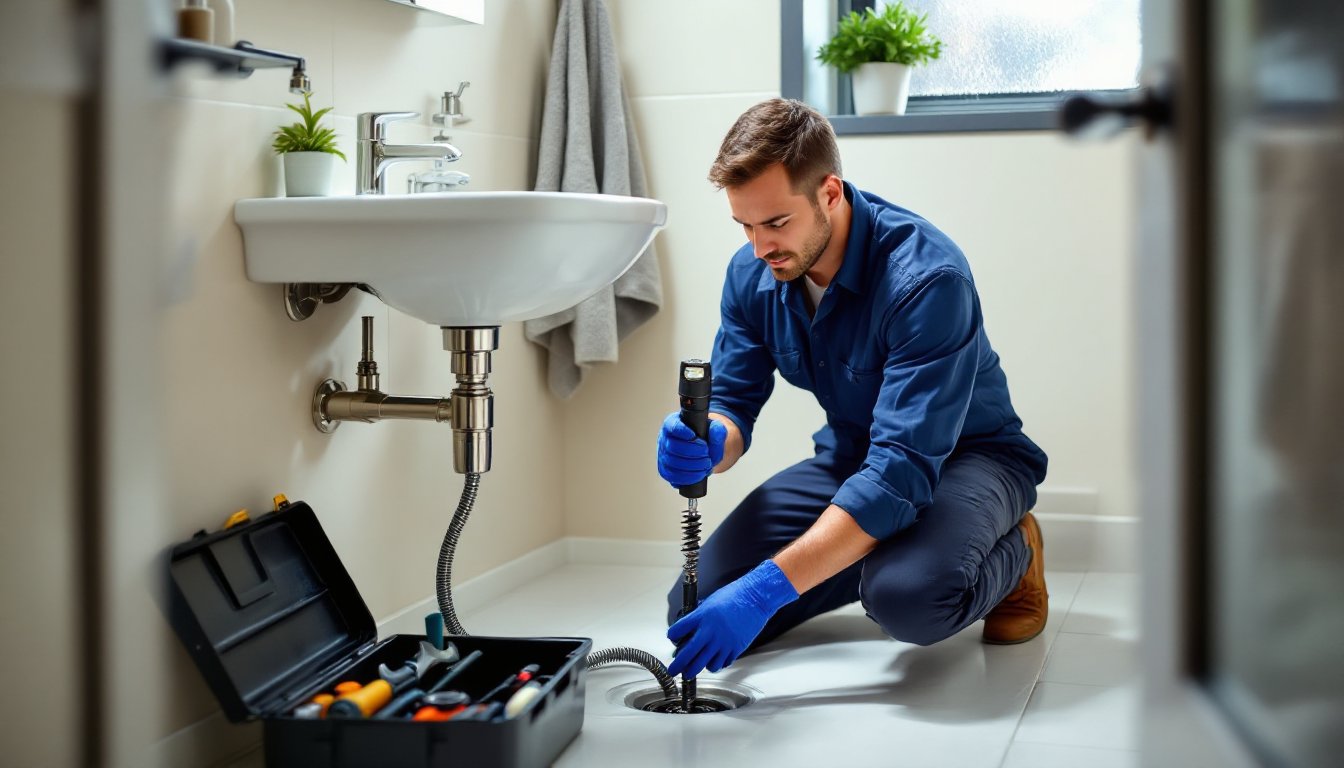
Drain snakes (or augers) reach clogs 15-25 feet down the line. A basic hand-crank model costs $15-30 and handles most household clogs. Feed the cable down the drain until you hit resistance, then crank clockwise while applying gentle forward pressure. When you feel the cable break through, crank a few more times to snag hair or debris, then pull back slowly. Techniques vary depending on whether hair clogs or solid blockages are the issue, proper drain snake use requires patience and steady rotation, not brute force.
For tub drains, remove the overflow plate (two screws) and feed the snake through that opening, it’s a straighter shot to the P-trap than going through the drain itself. You’ll pull up impressive amounts of hair and soap scum.
Closet augers are specifically designed for toilets, with a protective rubber sleeve that won’t scratch porcelain and a crank handle. Standard snakes can crack toilet traps. Feed the auger in gently, crank until the clog breaks up, then flush.
Wear rubber gloves when snaking drains. You will pull up unpleasant things.
Signs You Need Professional Drain Cleaning Services
Multiple slow drains throughout the house indicate a main sewer line issue, not an isolated fixture problem. If the kitchen, bathroom, and laundry drains all slow down simultaneously, or toilets gurgle when you run the washing machine, the blockage is beyond DIY reach, likely 30+ feet down the line or in the main stack.
Recurring clogs in the same drain every few weeks mean you’re treating symptoms, not the cause. Tree roots, a sagging pipe, or severe scale buildup requires professional assessment. Snaking every month is a Band-Aid.
Sewage backup or standing water in floor drains, tubs, or toilets is a health hazard and an emergency. Don’t wait. Sewage contains bacteria that require gloves, eye protection, and proper disinfection. Professional plumbers have powered augers, hydro-jetting equipment (high-pressure water that scours pipes clean), and camera inspection tools to locate breaks or root infiltration.
Foul odors from drains that don’t clear after cleaning indicate trapped debris deep in the vent stack or sewer line. If P-traps are full (check by running water) and smells persist, something’s decomposing inside the drain system.
Old homes with outdated plumbing, cast iron, clay tile, or Orangeburg (tar paper pipe used 1940s-1970s), benefit from periodic professional inspection. These materials degrade over time. Camera inspections cost $200-400 but reveal exactly what’s happening inside your pipes. Many licensed drain cleaning professionals in Gaithersburg offer video diagnostics as part of service calls.
Don’t attempt to snake a main sewer line yourself. Rental augers are powerful enough to punch through pipes if you hit a hard blockage wrong. Licensed plumbers carry liability insurance and know when a line needs excavation or relining, not just cleaning.
Preventative Maintenance Tips for Gaithersburg Homeowners
Install drain screens in every sink, tub, and shower. Mesh screens ($3-8 each) catch hair and large particles before they enter pipes. Clean them weekly, it takes 10 seconds and prevents 90% of clogs.
Never pour grease down drains. Not even with hot water running. Grease solidifies in pipes. Pour cooled cooking grease into a can or jar, let it solidify, and toss it in the trash. Wipe greasy pans with paper towels before washing.
Run hot water for 30 seconds after each sink use to flush soap and small particles through. Once a week, flush drains with very hot tap water (or boiling water for metal drains) to clear residue before it accumulates.
Use enzyme treatments monthly in slow-draining fixtures, especially bathroom sinks and showers. The enzymes digest organic buildup before it becomes a problem. This is maintenance, not emergency treatment, it won’t clear existing clogs but prevents future ones.
Flush unused drains monthly. Guest bathroom sinks, basement floor drains, and utility sinks dry out, allowing sewer gases to enter your home and causing seals to crack. Run water for 2-3 minutes to refill P-traps and keep seals flexible.
Trim trees near sewer lines. Willow, maple, and poplar roots seek water aggressively. If you have mature trees within 10-15 feet of your sewer line, consider root barrier installation or periodic root treatments (copper sulfate or foaming root killers). Schedule professional line inspections every 3-5 years in older neighborhoods.
Avoid chemical cleaners for maintenance. They’re harsh on pipes, harmful to septic systems, and don’t prevent clogs, they just react to them. Enzyme cleaners and mechanical methods are safer and more effective.
Cost estimates vary, but professional drain cleaning typically runs $150-300 for a single fixture and $300-600 for main line service in the Gaithersburg area. Prices fluctuate based on accessibility, clog severity, and whether video inspection or hydro-jetting is needed. When budgeting for home maintenance, typical service costs depend heavily on regional labor rates and material availability.
Conclusion
Most drain clogs are preventable with consistent habits, screens, proper disposal, and monthly flushing. When clogs do happen, natural methods and mechanical tools handle the majority without harsh chemicals or service calls. Recognize when a problem’s beyond DIY reach, especially with main line issues or recurring backups. A little prevention and knowing when to call a pro keeps your Gaithersburg home’s plumbing running smoothly year-round.