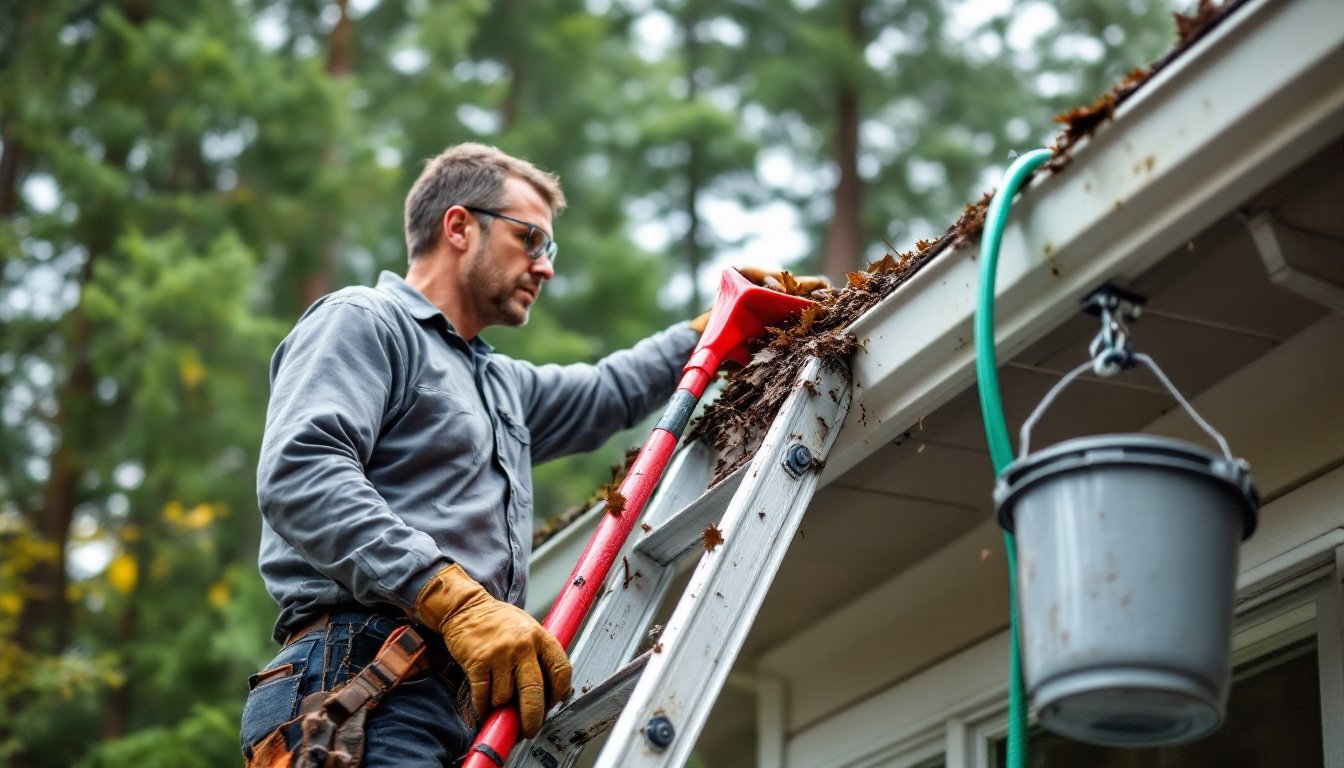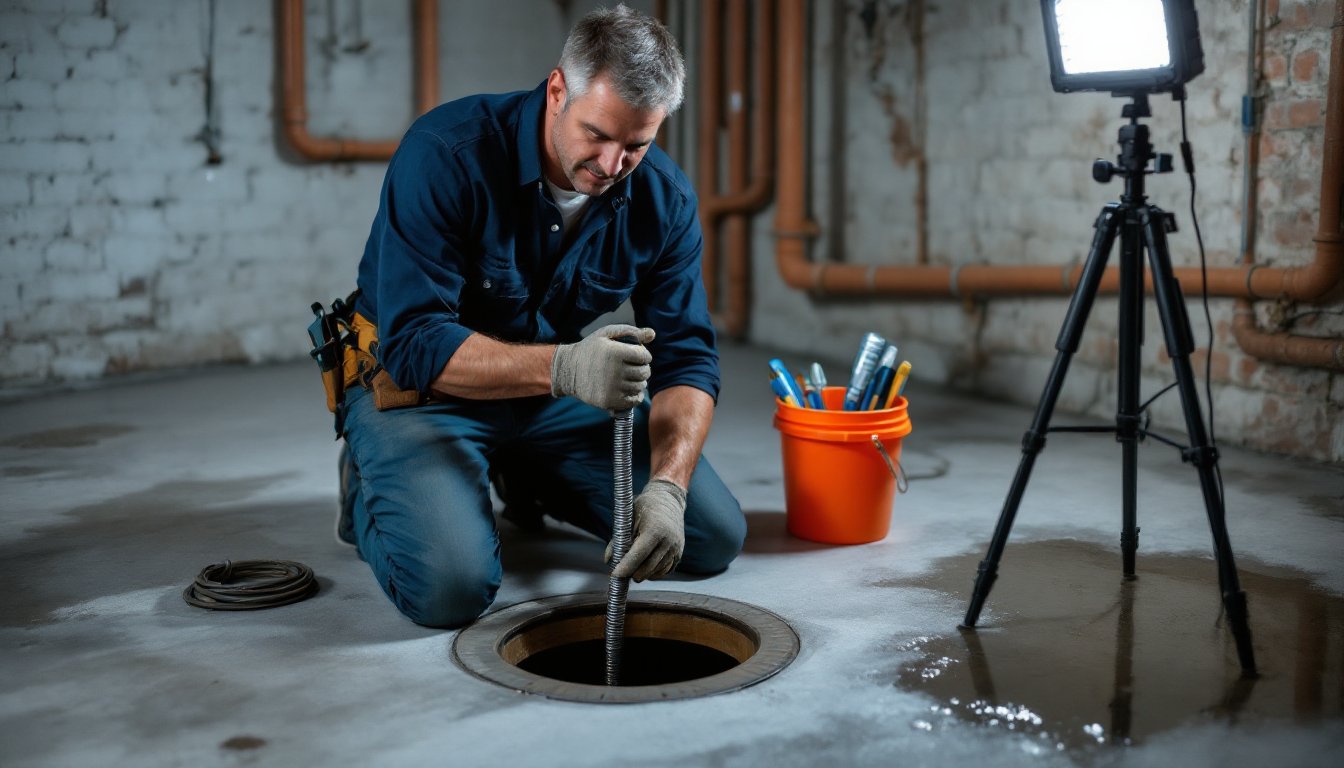
Cincinnati homeowners deal with their share of drain headaches, clay sewer lines from older neighborhoods, tree roots hunting for water, and the freeze-thaw cycles that crack pipes and shift joints. Whether it’s a slow-draining kitchen sink or a basement floor drain backing up after a storm, knowing how to tackle clogs yourself and when to call in a professional can save hundreds of dollars and prevent water damage. This guide covers the drain problems common to the Cincinnati area, proven DIY methods, red flags that demand expert help, and preventive steps to keep your plumbing flowing year-round.
Table of Contents
ToggleKey Takeaways
- Cincinnati drain cleaning is essential for homes with older clay sewer lines and tree root intrusion, which are common problems in pre-1950s neighborhoods vulnerable to seasonal blockages.
- Use natural solutions like baking soda and vinegar for minor clogs, but reserve professional drain cleaning services for main sewer line blockages, recurring clogs, or sewage backups that indicate serious pipe damage.
- Signs you need a professional plumber include multiple slow drains throughout the house, foul odors suggesting broken seals, or clogs returning within days despite DIY snaking efforts.
- Prevent drain problems year-round by installing mesh screens, wiping grease before washing dishes, running hot water after each use, and flushing drains monthly with boiling water or enzyme treatments.
- Homeowners with clay, cast-iron, or tree-lined properties should invest in a professional camera inspection every 3-5 years ($200–$400) to catch root intrusion and pipe sagging before they cause emergency blockages.
- Avoid chemical drain openers on older PVC pipes, and never ignore recurring backups—a hydro-jetter or pipe relining may be necessary to address underlying issues that DIY methods cannot resolve.
Common Drain Problems Cincinnati Homeowners Face
Cincinnati’s housing stock includes a lot of pre-1950s homes built with clay sewer laterals, those terra cotta pipes are prone to cracking and root intrusion. Tree roots from maples, willows, and sycamores infiltrate joints and create blockages that recur seasonally.
Kitchen sink clogs typically stem from grease buildup. Even with hot water rinses, fats cool and solidify in the trap and horizontal runs, catching food particles and soap scum. Bathroom drains collect hair, soap residue, and toothpaste, forming dense clogs in the P-trap or tailpiece.
Basement floor drains can back up when the main sewer line is compromised or when the trap primer dries out, allowing sewer gas to escape and debris to settle. Heavy rains can overwhelm combined sewer systems in older Cincinnati neighborhoods, causing backflow if a backwater valve isn’t installed.
Cast-iron stacks in older homes corrode from the inside out, creating rough surfaces that snag toilet paper and waste. Galvanized steel drain lines narrow over time as corrosion builds up, reducing flow capacity and increasing clog frequency.
DIY Drain Cleaning Methods That Actually Work
Natural Solutions for Minor Clogs
For slow drains without standing water, start with a half-cup of baking soda followed by one cup of white vinegar. Let it fizz for 15 minutes, then flush with a gallon of boiling water. This works on organic buildup and light soap scum but won’t touch hair clogs or grease that’s already solidified.
Enzyme-based drain cleaners use bacteria cultures to digest organic matter. They’re safe for septic systems and all pipe materials, but they need 6-8 hours of contact time and work best as preventive maintenance rather than emergency fixes. Pour them in before bed when the drain won’t be used.
Avoid chemical drain openers with sodium hydroxide or sulfuric acid if you have PVC drain lines older than 20 years, the heat generated can soften joints. They’re also hazardous if a plumber needs to open the line later, and they don’t work on hair or solid-object clogs.
When to Use a Plunger or Drain Snake
A cup plunger (flat-bottomed) works for sinks and tubs: a flange plunger (with the extended rubber skirt) seals better on toilets. Block the overflow hole with a wet rag to create a closed system, without it, you’re just pushing air around.
For tub and sink drains, remove the pop-up stopper or strainer basket first. Most pop-ups lift out after unscrewing a small set screw on the lift rod. Reach in and clear hair from the tailpiece before plunging, you’ll often find the clog right there.
A 25-foot drain snake (also called a hand auger) handles clogs in the trap or first few feet of horizontal pipe. Feed it slowly, cranking clockwise when you hit resistance. When the cable bends but won’t advance, you’ve likely snagged hair or hit a fitting, pull back and try again. Don’t force it or you risk punching through old pipes.
For toilets, use a closet auger with a protective rubber sleeve, it navigates the built-in trap without scratching the porcelain. Standard drain snakes are too stiff and can crack the bowl.
Signs You Need Professional Drain Cleaning Services
Multiple slow drains throughout the house point to a main sewer line blockage. If flushing the upstairs toilet makes the basement shower gurgle, the obstruction is downstream of both fixtures. Don’t keep snaking branch lines, you need a camera inspection and likely a power auger or hydro-jetter on the main.
Sewage backing up through floor drains or the lowest fixture in the house is an emergency. Shut off water at the main, don’t use any drains, and call a licensed plumber immediately. This often indicates a full blockage or collapsed pipe.
Recurring clogs in the same drain every few weeks mean you’re not reaching the actual problem. Tree roots, a sagging pipe with standing water (called bellying), or corrosion creating a rough interior all require professional diagnosis. Many professional contractors can run a sewer camera to pinpoint the issue before cutting into walls or digging.
Foul odors that persist after cleaning suggest a broken trap seal, vent stack blockage, or cracked pipe leaking behind walls. Sewer gas contains methane and hydrogen sulfide, it’s not just unpleasant, it’s a health hazard.
If you’ve already snaked a drain and the clog returns within days, the cable may have poked a hole through the blockage rather than removing it, or the pipe itself is damaged. A hydro-jetter uses high-pressure water (up to 4,000 PSI) to scour pipe walls and clear grease, scale, and root intrusions that a cable can’t touch. This is beyond DIY equipment and requires a truck-mounted unit.
Any drain work on the main sewer lateral (the line from your house to the city connection at the street) may require a permit and must meet local code. In Cincinnati, if you need to excavate or replace any portion of the lateral, a licensed plumber pulls the permit and arranges city inspections.
Preventive Maintenance Tips for Cincinnati Homes
Install mesh drain screens in all sinks and tubs, the cheap plastic or stainless models catch hair and food debris before they enter the trap. Empty them weekly. In the kitchen, scrape plates into the trash and wipe grease from pans with a paper towel before washing. Even with a garbage disposal, avoid putting coffee grounds, eggshells, and fibrous vegetables down the drain, they bind with grease and form clogs.
Run hot water for 30 seconds after each sink use to keep grease moving through the pipes. Once a month, flush each drain with a gallon of boiling water to dissolve soap and fat buildup. For homes on septic systems, skip this and use the enzyme treatment instead.
Pour a gallon of water into floor drains every month to keep the trap seal fresh. In Cincinnati’s humid summers, traps rarely dry out, but winter heating can evaporate water and break the seal, letting sewer gas into the basement.
Have your main sewer line inspected with a camera every 3-5 years if you have clay or cast-iron pipes, or if mature trees grow near the lateral. Early detection of root intrusion or pipe sagging means you can schedule a cleaning before a full blockage occurs. Cost estimates for camera inspections range from $200 to $400 depending on access and line length, though pricing varies by region and provider as noted on platforms like Angi.
If you have a backwater valve (required in some Cincinnati neighborhoods with combined sewers), test it annually. Lift the access cover in the basement floor and make sure the flap moves freely. Debris can jam it open, defeating its purpose.
Avoid planting water-seeking trees (willows, poplars, silver maples) within 10 feet of sewer lines. If they’re already established, consider a root barrier installation or schedule annual root cutting with a mechanical auger. Some homeowners explore remodeling budgets to factor in pipe relining or replacement if root damage becomes chronic.
Upgrade old drum traps (common in 1920s-40s bathrooms) to modern P-traps during any renovation. Drum traps corrode, lose their clean-out caps, and are impossible to snake effectively.
Conclusion
Drain problems in Cincinnati homes are manageable with the right approach, know what you can handle with a plunger and snake, recognize when a clog signals a bigger issue, and stay ahead of trouble with simple monthly habits. Keep your P-traps clear, respect what goes down the drain, and don’t ignore recurring backups. When in doubt, a camera inspection beats guesswork every time.