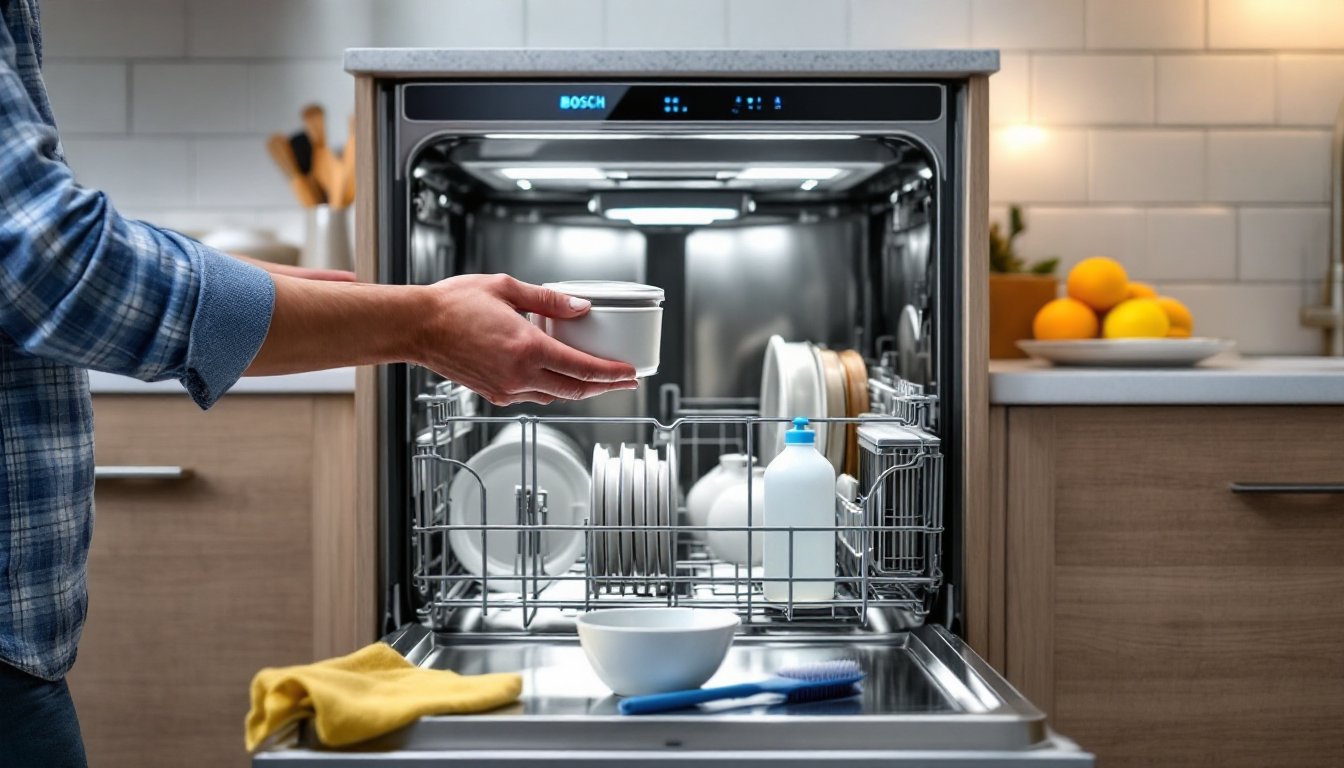
A Bosch dishwasher represents a solid investment in kitchen efficiency, but even the best models need regular maintenance to keep working at their best. Hard water deposits, food particles, and detergent buildup gradually compromise cleaning power, dishes come out cloudy, odors linger, and cycle times creep up. The good news? Most Bosch dishwasher cleaning tasks take less than 30 minutes and require no special tools beyond what’s already under the sink. This guide walks through the essential maintenance steps every Bosch owner should know, from filter cleaning to spray arm maintenance, so the machine keeps delivering spotless results for years.
Table of Contents
ToggleKey Takeaways
- Cleaning your Bosch dishwasher filter every 2-3 cycles and running monthly deep cleans prevents performance loss, odors, and costly repairs by removing mineral deposits and food buildup.
- The three-part filter system (micro-filter, fine filter, and coarse screen) can be cleaned in under five minutes using warm water and a soft brush, with white vinegar for stubborn deposits.
- Spray arm nozzles clog easily from mineral deposits and food particles, reducing water pressure—use a toothpick or thin wire to clear openings and soak arms in vinegar for heavy buildup.
- Running an empty hot cycle with two cups of white vinegar followed by baking soda deep cleans the tub, breaks down mineral deposits, and neutralizes odors without harsh chemicals.
- Inspect and clean the door gasket monthly to prevent mold and mildew, and keep the door slightly ajar between cycles to extend gasket life and maintain freshness.
- Most Bosch dishwasher cleaning maintenance takes less than 30 minutes and requires no special tools, helping you avoid expensive service calls and keep your appliance running efficiently for years.
Why Regular Bosch Dishwasher Cleaning Matters
Bosch dishwashers use precision-engineered spray systems and filtration to achieve their quiet, efficient cleaning performance. When debris accumulates in the filter or mineral deposits clog spray nozzles, water pressure drops and cleaning power suffers. Food particles trapped in the filter can recirculate onto supposedly clean dishes, nobody wants yesterday’s pasta stuck to tomorrow’s wine glasses.
Neglecting maintenance also shortens appliance lifespan. A clogged filter forces the pump to work harder, increasing wear on motor components. Hard water scale buildup corrodes metal parts over time, potentially leading to costly repairs or early replacement. Bosch recommends cleaning the filter after every 2-3 wash cycles and running a deep clean monthly, though frequency depends on usage and water hardness.
Regular cleaning prevents the need for harsh chemical interventions down the line. Staying on top of simple maintenance tasks keeps performance consistent and avoids the expense of service calls. Most homeowners can handle all routine Bosch dishwasher cleaning without calling a technician.
Cleaning the Bosch Dishwasher Filter
Locating and Removing the Filter
The filter assembly sits at the bottom of the dishwasher tub, usually in the center or back corner beneath the lower spray arm. Bosch uses a three-part filtration system: a cylindrical micro-filter, a flat fine filter, and a coarse filter screen. Pull out the lower dish rack completely for clear access, trying to work around it leads to dropped parts and frustration.
To remove the filter, grasp the cylindrical micro-filter and turn it counterclockwise about a quarter turn. Lift it straight up, the flat fine filter comes with it as one unit. The coarse filter (a flat screen) lifts out separately. Some Bosch models have a slight variation in design, but the basic twist-and-lift motion applies across the lineup. If the filter feels stuck, don’t force it, dried food or mineral deposits may be locking it in place. Run a short rinse cycle to loosen debris, then try again.
Washing and Reinstalling the Filter
Rinse all three filter components under warm running water, using a soft-bristled brush to dislodge trapped particles. An old toothbrush works perfectly for scrubbing the fine mesh. For stubborn buildup, soak the filters in a solution of equal parts white vinegar and warm water for 10-15 minutes, then scrub again. Avoid abrasive scrubbers or steel wool, they damage the fine mesh and reduce filtration effectiveness.
Inspect each filter piece for damage. Small tears or warping mean it’s time for a replacement part (Bosch part numbers are printed on the filter itself). The proper dishwasher filter maintenance routine extends appliance life significantly and prevents drainage issues.
To reinstall, place the coarse filter screen flat in its position first. Set the micro-filter and fine filter assembly on top, aligning the arrows or tabs, then turn clockwise until it locks with a slight click. Give it a gentle tug upward, it shouldn’t lift out if properly seated. Slide the lower rack back in and you’re done. This entire process typically takes less than five minutes once you’ve done it a couple times.
Deep Cleaning Your Bosch Dishwasher Interior
Even with regular filter cleaning, residue accumulates on the tub walls, door interior, and around the drain area. A monthly deep clean keeps the machine fresh and prevents odor buildup. Start by removing both dish racks and the filter assembly (see previous section).
Check the sump area where the filter sits, this is where food particles collect if they slip past the coarse filter. Use a damp cloth or sponge to wipe out any visible debris. Pour a cup of warm water down the drain opening to flush the area. For stubborn gunk, a plastic scraper (like an old credit card) loosens deposits without scratching stainless steel.
Wipe down the door interior, gasket, and tub walls with a microfiber cloth dampened with warm water and a few drops of dish soap. Pay special attention to the bottom edge of the door and the areas around the detergent dispenser, dried detergent and rinse aid leave sticky residue. Avoid harsh cleaners or bleach, which can damage rubber seals and stainless steel finishes.
For a thorough sanitizing clean, place a dishwasher-safe cup filled with two cups of white vinegar on the top rack. Run the hottest cycle available, usually the sanitize or heavy cycle. The vinegar breaks down mineral deposits, dissolves grease, and neutralizes odors. Some kitchen appliance experts suggest following the vinegar cycle with a sprinkle of baking soda on the tub floor, then running a short hot cycle for extra freshness. This combination tackles both acidic and alkaline residues.
Bosch also sells their own dishwasher cleaner tablets, which are formulated specifically for their machines and work well if hard water is a persistent problem. Follow package directions, typically one tablet placed in the detergent dispenser and run through a hot cycle with an empty machine.
Cleaning the Spray Arms and Nozzles
The spray arms distribute water throughout the dishwasher, and even tiny clogs reduce water pressure and leave dishes dirty. Bosch dishwashers typically have three spray arms: lower, mid-level, and upper. Mineral deposits and small food particles gradually block the spray nozzles, especially in areas with hard water.
Removing the spray arms is straightforward. The lower spray arm usually pulls straight up off its mount, some models have a small clip or tab to press first. The upper spray arm on many Bosch models unscrews counterclockwise: twist the center hub while holding the arm steady. The mid-level spray arm (if equipped) typically pulls off after removing a retaining clip. Check the owner’s manual if you encounter resistance, forcing parts leads to broken clips.
Once removed, hold each spray arm up to a light and look through the nozzle holes. Clear any visible clogs using a toothpick, thin wire, or a small drill bit (turned by hand, not power, don’t enlarge the holes). Flush each arm under running water, shaking vigorously to dislodge internal debris. For heavy mineral buildup, soak the spray arms in white vinegar for 30 minutes, then scrub with a small brush.
Inspect the spray arm bearings and mounting points while they’re removed. Wipe away any debris that could prevent free rotation. The spray arms should spin smoothly when reinstalled, if they wobble or stick, the bearings may be worn and need replacement.
Reinstall each spray arm in reverse order, ensuring they’re properly seated and can spin freely. Run the dishwasher empty through a quick cycle and peek inside mid-cycle (if your model allows) or listen for the distinctive sound of spinning spray arms. If cleaning performance hasn’t improved after filter and spray arm maintenance, a service call might be necessary to check the pump or inlet valve.
Maintaining the Door Gasket and Edges
The door gasket creates a watertight seal around the dishwasher opening, and it’s a prime spot for mold, mildew, and food particle accumulation. Even modern smart dishwashers with advanced monitoring can’t alert you to gasket issues until leaks start, by then, you might already have water damage.
Inspect the rubber gasket monthly for cracks, warping, or pulled-away sections. Wipe it down with a cloth dampened in warm water and dish soap, getting into the folds where residue hides. For visible mold or mildew, use a solution of one part white vinegar to one part water, or a mild bleach solution (one tablespoon bleach per gallon of water). Apply with a cloth or soft brush, then rinse thoroughly.
Safety note: Wear gloves when using bleach solutions and ensure adequate ventilation. Never mix bleach with vinegar or other cleaners, it produces toxic fumes.
The edges of the dishwasher door and the frame where it seals against the tub also collect grime. Use a damp cloth to wipe these areas, paying attention to the top edge of the door where steam and condensation carry food particles. A cotton swab helps clean tight corners and around hinge covers.
If the gasket shows significant wear, deep cracks, permanent deformation, or sections pulling away from the door, order a replacement part using your dishwasher’s model number. Replacing a door gasket is a straightforward DIY task: peel off the old gasket, clean the channel thoroughly, and press the new gasket into place starting at the top center and working around. Most homeowners can complete the job in 15-20 minutes without special tools.
Keep the door slightly ajar between cycles to allow moisture to escape and prevent mildew growth. This simple habit extends gasket life and keeps the interior smelling fresh.