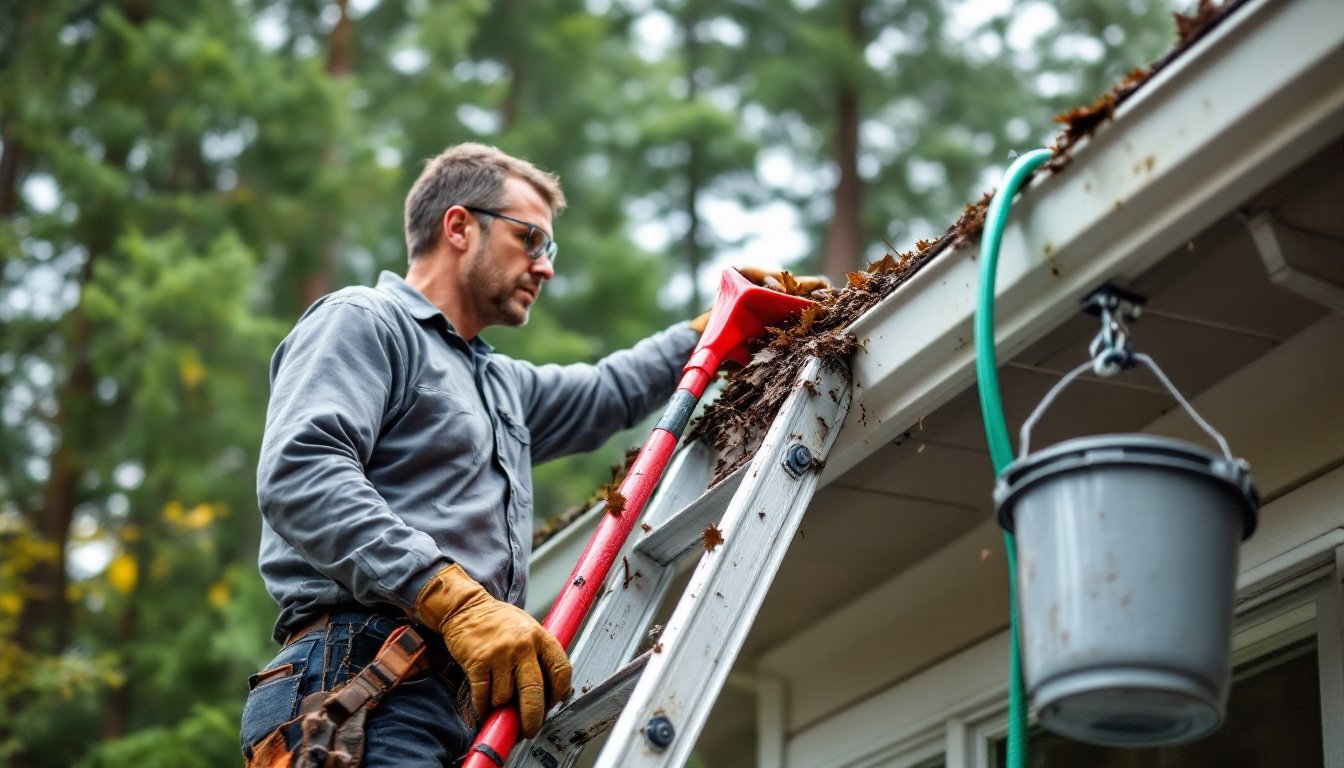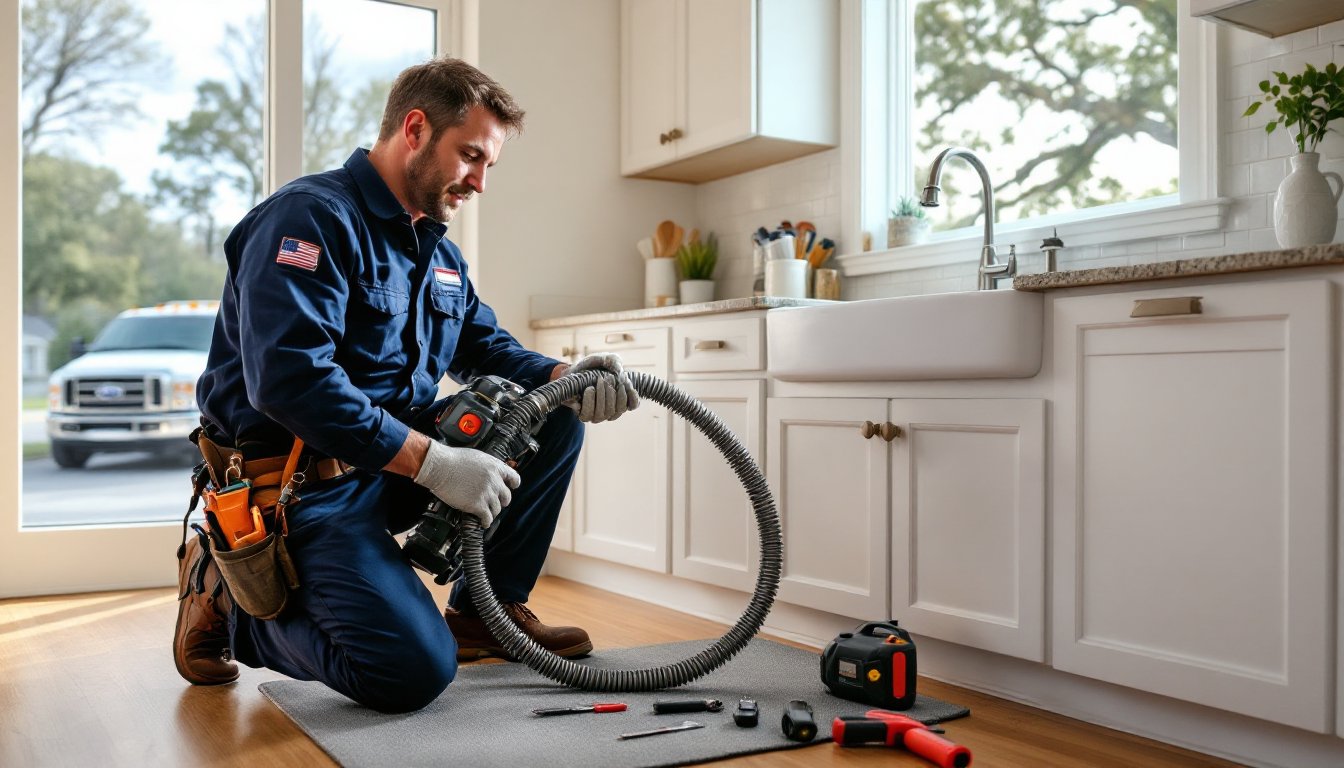
Charlotte homeowners know that clogged drains never happen at a convenient time. Whether it’s a slow-draining kitchen sink during dinner prep or a backed-up shower on a Monday morning, drain issues disrupt daily routines and can signal bigger plumbing problems. The region’s clay-heavy soil, aging infrastructure in older neighborhoods like Dilworth and Myers Park, and the mix of hard water in some areas all contribute to drain challenges. This guide walks through recognizing the warning signs, tackling minor clogs safely, knowing when to step back, and keeping pipes flowing year-round.
Table of Contents
ToggleKey Takeaways
- Drain cleaning in Charlotte requires attention to regional factors like clay-heavy soil, aging infrastructure, and hard water that contribute to clogs and slow drainage.
- Recognize early warning signs such as slow drainage, gurgling sounds, foul odors, and multiple affected fixtures to prevent emergency calls and water damage.
- DIY drain cleaning methods like plunging, using drain snakes, removing P-traps, and natural solutions with baking soda and vinegar work well for minor, localized clogs.
- Call a professional drain cleaning service for main line backups, recurring clogs, older cast iron or clay pipes, or when DIY methods fail after two attempts.
- Prevent future clogs by installing mesh drain screens, avoiding grease disposal, running hot water after use, and scheduling professional maintenance every 1–2 years for older homes.
- Professional hydro-jetting ($350–600) and video camera inspection ($100–300) provide thorough solutions for serious blockages that mechanical methods cannot resolve.
Common Signs You Need Drain Cleaning in Charlotte
Recognizing early warning signs prevents emergency calls and water damage. Slow drainage is the most obvious indicator, if water pools in sinks, tubs, or shower pans longer than usual, there’s a partial blockage forming. Kitchen sinks often slow down from grease and food particle buildup, while bathroom drains collect hair, soap scum, and mineral deposits.
Gurgling sounds from drains or toilets signal trapped air in the line, usually caused by a blockage restricting flow. If flushing one fixture causes another to gurgle, like the toilet bubbling when the washing machine drains, the main sewer line may be affected.
Foul odors coming from drains indicate organic matter decomposing in the pipes. This happens when food waste, hair, or other debris sits in P-traps or further down the line. In Charlotte’s humid climate, these smells intensify during summer months.
Multiple clogged fixtures at once point to a main line issue rather than isolated drain problems. If the basement floor drain backs up when upstairs toilets flush, or multiple sinks drain slowly simultaneously, the blockage is likely in the shared sewer line serving the whole house.
Standing water around floor drains, especially in basements or laundry areas, means water can’t exit the system. This requires immediate attention to prevent water damage and potential mold growth in crawl spaces, common in Charlotte’s pier-and-beam construction.
DIY Drain Cleaning Methods That Actually Work
Many minor clogs respond to straightforward DIY methods. Start with mechanical removal before introducing any chemicals or solutions.
Plungers work for localized clogs in sinks, tubs, and toilets. For sinks, use a cup plunger (flat-bottomed) rather than a flange plunger designed for toilets. Seal the overflow opening with a wet rag, fill the basin with 2-3 inches of water to cover the plunger cup, and use short, forceful pumps. The compression and suction often dislodge hair and soap buildup.
Drain snakes (also called augers) physically break through or retrieve blockages. A basic 25-foot hand-crank snake handles most bathroom sink and tub clogs. Feed the cable down the drain, rotating clockwise when you hit resistance. Pull back periodically to clear debris from the coil. For toilets, use a closet auger with a protective rubber sleeve to avoid scratching porcelain.
Remove and clean P-traps under sinks for accessible clogs. Place a bucket underneath, loosen the slip nuts by hand or with channel-lock pliers, and remove the curved section. Hair, grease, and solid debris often collect at the bottom of the trap. Inspect the trap for cracks while it’s off, replace if damaged. This method works well for kitchen sinks where food particles accumulate.
Homeowners considering drain cleaning Charlotte projects can find necessary tools like augers and plungers at local hardware stores, which also stock replacement P-trap assemblies in common sizes (1¼-inch for bathroom sinks, 1½-inch for kitchen sinks).
Natural Solutions for Clogged Drains
Boiling water alone clears grease buildups in kitchen drains. Boil a full kettle and pour slowly in two or three stages, allowing 15-20 seconds between pours for heat to work through the clog. This method works on metal pipes but can crack older porcelain fixtures or loosen joints in PVC if water is too hot, let it cool 30 seconds after boiling for plastic drain systems.
The baking soda and vinegar method creates a foaming reaction that can dislodge light organic clogs. Pour ½ cup baking soda down the drain, follow with ½ cup white vinegar, and immediately plug the drain. The fizzing action works for 15-30 minutes, then flush with hot water. This combination works better as a maintenance treatment than for serious blockages.
Salt and baking soda followed by boiling water tackles grease: mix ½ cup each, pour down the drain, let sit several hours or overnight, then flush with boiling water. The abrasive salt helps scour pipe walls.
Avoid chemical drain cleaners except as a last resort before calling a professional. Products containing lye or sulfuric acid generate heat that can damage PVC pipes, corrode metal fittings, and create dangerous fumes. They’re particularly risky in older Charlotte homes with mixed plumbing materials from multiple renovation periods. If used, follow label instructions exactly and never mix products.
When to Call a Professional Drain Cleaning Service in Charlotte
Some situations require professional equipment and expertise. Recurring clogs in the same drain indicate a deeper problem, root intrusion, pipe bellying, or scale buildup that DIY methods can’t resolve. Charlotte’s mature trees (oaks, maples, poplars) send roots seeking water, and they’ll infiltrate even small cracks in sewer lines.
Main line backups demand immediate professional response. If multiple fixtures won’t drain, sewage backs up into the lowest drain point, or you see standing water in the yard above the sewer line, the main connection to the street is blocked. This requires professional drain services with truck-mounted hydro-jetting equipment or powered sewer augers.
Old homes with cast iron or clay pipes often need professional assessment. Homes built before 1975 likely have 4-inch cast iron stacks and drains that corrode from inside over decades. Clay sewer lines, common in neighborhoods like Plaza Midwood, crack and separate at joints. Professionals use video camera inspection to diagnose these issues before recommending solutions.
Call a pro if DIY methods fail after two attempts. Repeatedly snaking or plunging can damage pipes or push clogs deeper. Licensed plumbers have commercial-grade cables up to 100 feet long with interchangeable heads for different blockage types.
Sewage smell inside the house might indicate a broken vent stack or dry P-trap, but it could also mean a cracked drain line inside walls. This requires leak detection equipment and wall access that’s beyond DIY scope.
Professionals are essential when permits are required. Any work on the main sewer line from the house to the street connection needs a permit in Mecklenburg County. Replacing buried drain lines, installing cleanouts, or connecting new fixtures to existing drains all fall under plumbing code requirements.
What to Expect from Charlotte Drain Cleaning Services
Reputable drain cleaning services in Charlotte start with diagnosis before recommending solutions. The initial visit typically includes a video camera inspection for $100-300, depending on system complexity. The camera reveals exact blockage location, pipe condition, root penetration, and whether repair or replacement is needed.
Hydro-jetting uses high-pressure water (up to 4,000 PSI) to scour pipe interiors, removing grease, scale, and roots. It’s more thorough than cable snaking and costs $350-600 for residential main lines. It’s the preferred method for grease buildup in restaurant-style kitchen drains and for clearing root intrusions in older sewer lines.
Cable snaking (professional rotary augers) handles most clogs for $150-300. Plumbers use motorized units with cables up to 100 feet and interchangeable cutting heads for roots, grease, or solid blockages. The cable rotates at high speed, breaking through clogs that manual augers can’t touch.
Expect upfront pricing, established Charlotte companies provide flat rates or detailed estimates before work begins. Emergency service (nights, weekends, holidays) typically adds $100-200 to standard rates. Many companies offer camera inspection reports on USB drives, useful for insurance claims or home sale disclosures.
Professionals should explain findings in plain terms and present options. If roots are the issue, they might recommend both immediate clearing and longer-term solutions like pipe lining or replacement. For grease buildup, they’ll suggest hydro-jetting frequency to prevent recurrence.
Licensed plumbers carry liability insurance and pull permits when required. In Charlotte, plumbers must hold a North Carolina license (check at nclbgc.org). They know local code requirements, like the need for cleanout access every 100 feet on horizontal drain runs and at direction changes exceeding 45 degrees.
Preventing Future Drain Clogs: Tips for Charlotte Homeowners
Prevention costs less than repairs. Install mesh drain screens in all sinks, tubs, and showers to catch hair and debris before they enter pipes. Clean screens weekly, most clogs form from accumulated material that could have been stopped at the drain opening.
Never pour grease down kitchen drains. Even with hot water and soap, grease solidifies as it cools in pipes. Scrape plates into trash, wipe cookware with paper towels before washing, and dispose of cooking oil in sealed containers. This single habit prevents the majority of kitchen drain issues.
Run hot water for 30 seconds after each sink use to keep soap and small particles moving through pipes. Once weekly, flush drains with boiling water to clear accumulating residue. For garbage disposals, run cold water during and 15 seconds after grinding to push waste completely through.
Avoid flushing anything besides toilet paper and waste. “Flushable” wipes don’t break down like toilet paper and accumulate in sewer lines. Cotton swabs, dental floss, and hygiene products also cause clogs.
Schedule professional drain maintenance every 1-2 years for older homes or houses with large trees nearby. Preventive hydro-jetting costs $300-400 but prevents $2,000-5,000 emergency main line repairs. Video inspection every few years tracks pipe condition in homes with cast iron or clay lines.
Consider enzyme-based drain maintenance products monthly. Unlike chemical cleaners, enzyme formulas use bacteria cultures to digest organic material slowly. They’re safe for all pipe materials and maintain clear drains between professional services. Follow package directions, they need 6-8 hours contact time to work effectively.
Address slow drains immediately rather than waiting for complete blockages. The earlier a developing clog is cleared, the less damage to pipes and the lower the repair cost. Project planning resources from sites like ImproveNet provide cost guidance for various plumbing scenarios. Homeowners can budget appropriately for both routine maintenance and unexpected repairs.
Conclusion
Clear drains keep Charlotte homes running smoothly. DIY methods handle minor clogs effectively, but knowing when to call a professional prevents water damage and costly emergency repairs. Regular maintenance, simple habits like using drain screens and avoiding grease disposal, keeps pipes flowing and extends the life of drain systems in both new construction and historic homes.