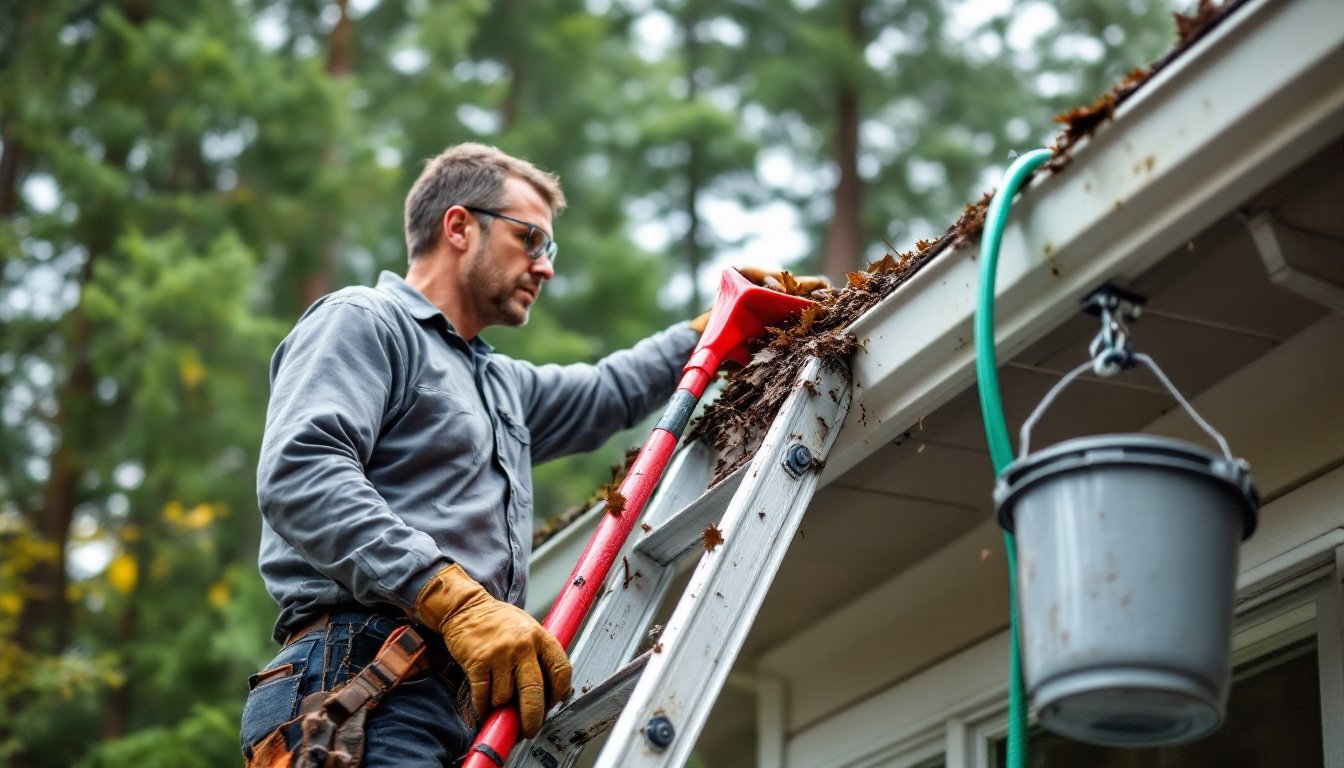
Murrieta homeowners know the frustration: water pooling in the shower, a kitchen sink that drains at a crawl, or worse, a backed-up toilet. Hard water deposits from local groundwater, combined with hair, grease, and the occasional dropped toy, make clogged drains a regular headache. But not every slow drain needs a plumber’s invoice. With the right approach, many clogs can be cleared at home using manual tools or simple chemical-free methods. This guide walks through common drain issues in Murrieta, effective DIY techniques, and how to recognize when a clog demands professional equipment.
Table of Contents
ToggleKey Takeaways
- Drain cleaning in Murrieta is often manageable at home using natural methods like boiling water or baking soda and vinegar, or mechanical tools like plungers and drain snakes before calling a professional.
- Hard water minerals, hair, grease, and tree roots are the primary culprits behind clogged drains in Murrieta homes, with older cast-iron pipes being more susceptible to buildup.
- Multiple slow drains, sewage backups, or recurring clogs in the same drain are red flags that you need professional drain cleaning equipment like hydro-jetting or camera inspection.
- Regular maintenance—using drain screens, flushing with hot water monthly, and never pouring grease down the drain—prevents most clogs and extends your plumbing system’s lifespan.
- When calling a professional drain cleaning service in Murrieta, verify they offer hydro-jetting and camera inspections, are licensed and insured, and expect to pay $150–$300 for basic service.
Common Drain Problems Murrieta Homeowners Face
Murrieta’s municipal water supply comes from both local groundwater and imported sources, which can carry higher mineral content, especially calcium and magnesium. Over time, these minerals leave behind scale buildup inside pipes, narrowing the drain pathway and catching debris more easily.
Hair and soap scum clog bathroom drains, particularly in shower stalls and tub drains. Soap residue mixes with hair to form a sticky, matted plug that water can’t push through. Kitchen sinks face a different enemy: grease and food particles. Even small amounts of cooking oil solidify as they cool, coating pipe walls and trapping coffee grounds, eggshells, and other debris.
Toilet clogs usually stem from flushing items that don’t disintegrate, wet wipes labeled “flushable” are notorious culprits, or from low-flow toilets struggling with older, narrow drain lines. In older Murrieta neighborhoods built before 1990, homes may still have cast iron or galvanized steel drain pipes that corrode and rough up internally, snagging waste more readily than modern PVC or ABS.
Finally, outdoor drains and sewer laterals can suffer from tree root intrusion. Murrieta’s mature landscape trees, especially willows and sycamores, send roots searching for moisture. Even a hairline crack in a sewer line becomes an entry point, and roots expand to fill the pipe.
DIY Drain Cleaning Methods That Actually Work
Natural Cleaning Solutions
Skip the chemical drain cleaners, they’re harsh on pipes, dangerous if mishandled, and often ineffective against solid clogs. Instead, start with manual and natural methods.
For minor kitchen or bathroom sink clogs, try boiling water. Boil a full kettle (about 1.5 to 2 quarts) and pour it slowly down the drain in two or three stages, waiting 10 seconds between pours. The heat can melt grease and dissolve soap buildup. Don’t use this on PVC pipes connected to garbage disposals if the water is over 175°F, as it can soften joints.
The baking soda and vinegar method works for light organic buildup. Pour half a cup of baking soda down the drain, followed by half a cup of white vinegar. Cover the drain opening with a wet rag or stopper to contain the fizzing reaction for 15 minutes, then flush with hot tap water. This combination won’t clear a full blockage, but it’s effective monthly maintenance to prevent buildup.
Mechanical Tools for Stubborn Clogs
When natural methods fail, it’s time for tools. A cup plunger (the classic bell-shaped one) creates suction and pressure to dislodge clogs in sinks and tubs. Fill the basin with enough water to cover the plunger cup, seal the overflow opening with a wet rag, and plunge vigorously 15 to 20 times. For toilets, use a flange plunger, which has an extended rubber collar that seals better in the curved trap.
A drain snake (also called a hand auger or drum auger) is the go-to for hair clogs in bathroom drains. These tools have a coiled metal cable, typically 15 to 25 feet long, that you feed into the drain while cranking a handle to rotate the tip. The cable breaks up the clog or snags it so you can pull it out. Wear gloves, what comes out is unpleasant. Many plumbing fixes recommend snakes as the first mechanical option before calling a pro.
For deeper clogs in main drain lines, a closet auger works for toilets. It’s a short, specialized snake (usually 3 to 6 feet) with a protective rubber sleeve to avoid scratching porcelain. Feed the cable through the toilet trap, crank, and withdraw.
If you’re comfortable with power tools, a power auger or electric snake (available at tool rental centers) can clear clogs up to 75 feet into branch lines. These machines are aggressive and require practice, misuse can puncture old pipes or tangle the cable inside the drain. Always wear safety glasses and gloves, and feed the cable slowly.
For kitchen sinks with a garbage disposal, check the disposal reset button (usually red, on the bottom of the unit) and ensure the unit isn’t jammed before snaking. Turn off power at the breaker first.
When to Call a Professional Drain Cleaning Service in Murrieta
Some clogs exceed DIY capability. If you’ve plunged, snaked, and tried every trick without success, the blockage may be deep in a sewer lateral or main line, locations that need hydro-jetting or sewer camera inspection equipment.
Multiple slow drains throughout the house often indicate a clog in the main sewer line rather than an isolated fixture problem. If flushing a toilet causes water to back up in a shower or bathtub, that’s a strong sign the main line is blocked, possibly by roots or collapsed pipe.
Recurring clogs in the same drain, even after you clear them, suggest an underlying issue: pipe corrosion, improper venting, or a sagging section of drain line (a “belly” in the pipe where waste pools). A professional can run a camera scope to diagnose structural problems.
If you encounter sewage backup or see water coming up through floor drains in the garage or basement, stop using all plumbing immediately and call a licensed plumber. Sewage contains harmful bacteria and requires proper cleanup and disinfection.
Certain repairs require permits in Murrieta. Replacing a section of sewer lateral or main drain line typically needs a plumbing permit from the City of Murrieta Building & Safety Department, plus inspections. Licensed plumbers handle permitting as part of their service, which protects you if issues arise later.
When evaluating local drain cleaning pros, ask about their equipment (hydro-jetting is more effective than just snaking), whether they offer camera inspections, and if they’re licensed and insured. Rates vary, but expect to pay $150 to $300 for a basic service call and snaking, with higher costs for hydro-jetting or camera work. Many cost estimators help benchmark pricing for your specific project scope.
Preventing Future Drain Clogs: Maintenance Tips for Murrieta Homes
Prevention saves time and money. Start in the kitchen: never pour grease or cooking oil down the drain. Let it cool in a can, then toss it in the trash. Run hot water for 30 seconds after each use of the garbage disposal to push debris through the line.
Use drain screens or strainers in all sinks, tubs, and showers. These inexpensive mesh or perforated metal covers catch hair, soap chunks, and food particles before they enter the drain. Clean them weekly.
Once a month, flush each drain with boiling water or run the baking soda and vinegar treatment described earlier. This keeps residue from hardening into a clog.
In bathrooms, remove and clean pop-up stoppers every few months. Unscrew the pivot rod under the sink, pull the stopper out, and scrub off hair and soap buildup. Reassemble and test the seal.
For homes with hard water, consider installing a whole-house water softener. Softened water reduces mineral scale throughout the plumbing system, not just in drains but also in water heaters and fixtures. You’ll notice cleaner dishes and longer appliance life, too.
Be mindful of what goes down the toilet. Only flush toilet paper and human waste, no wipes (even “flushable” ones don’t break down fast enough), feminine hygiene products, cotton swabs, or paper towels.
If your property has mature trees near the sewer lateral, schedule a professional camera inspection every three to five years. Early detection of root intrusion lets you clear or repair the line before a full blockage or pipe collapse occurs.
Finally, know where your main cleanout is located, usually a capped pipe at ground level near the foundation or in the garage floor. If a main line clog happens, you or a plumber can access the line quickly through this fitting. Mark it clearly if it’s buried under landscaping.
Conclusion
Clear drains are the unsung heroes of a functional home. With routine maintenance, smart disposal habits, and a few manual tools on hand, Murrieta homeowners can tackle most clogs without professional help. When a blockage runs deeper or recurs, calling a licensed plumber with the right equipment saves frustration and prevents damage to older pipes.