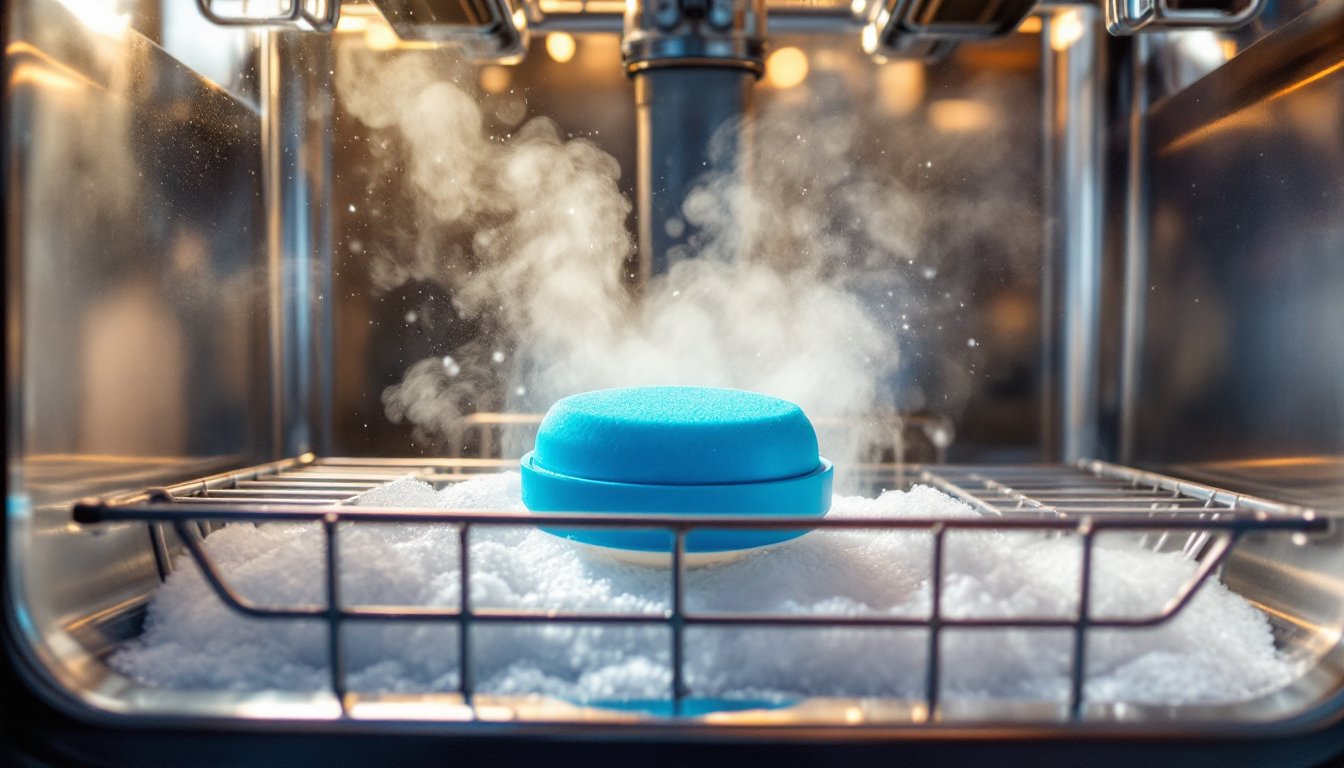
A dishwasher handles one of the filthiest jobs in the house, scrubbing away stuck-on food, grease, and grime from every meal. But here’s the catch: the machine doing the cleaning needs cleaning itself. Over time, food particles, mineral deposits, soap scum, and mildew build up in filters, spray arms, door seals, and hidden crevices. Left unchecked, that buildup reduces cleaning performance, leaves dishes spotted or smelly, and can even shorten the appliance’s lifespan. Using the right dishwasher cleaning solution regularly keeps the machine running efficiently and ensures every load comes out truly clean.
Table of Contents
ToggleKey Takeaways
- A dishwasher cleaning solution is essential for removing mineral deposits, food debris, and soap scum that accumulate over time and reduce cleaning performance.
- Commercial liquid and powder cleaners, vinegar, baking soda, and citric acid are all effective dishwasher cleaning solutions; choose based on water hardness and personal preference.
- Deep clean your dishwasher monthly by removing and cleaning the filter, clearing spray arms, wiping the door gasket, and running a hot cycle with your chosen cleaning solution.
- Watch for warning signs like cloudy dishes, foul odors, standing water, and white mineral buildup—these indicate your dishwasher needs immediate cleaning to prevent damage.
- Simple maintenance habits like scraping plates, leaving the door ajar after cycles, and doing weekly filter rinses extend the life of your dishwasher between deep cleans.
Why Your Dishwasher Needs Regular Cleaning
Dishwashers operate in a hot, wet environment, prime conditions for buildup. Hard water leaves calcium and lime deposits on heating elements and spray arms, clogging the tiny holes that distribute water. Food debris that doesn’t get flushed away during the drain cycle accumulates in the filter and at the bottom of the tub, creating foul odors and bacterial growth. Soap residue and grease coat the interior walls and door gasket, trapping more grime over time.
That buildup doesn’t just sit there, it actively interferes with performance. Clogged spray arm nozzles reduce water pressure, leaving dishes dirty. A blocked filter forces the pump to work harder, stressing internal components and increasing the risk of mechanical failure. Mineral scale on the heating element reduces efficiency, which means longer cycle times and higher energy bills. And if mold or mildew takes hold in the door seal or around the detergent dispenser, that smell transfers right onto supposedly clean dishes.
Most manufacturers recommend deep cleaning a dishwasher monthly for average use, more often for large families or if the machine runs daily. Regular cleaning with an appropriate solution breaks down deposits, sanitizes surfaces, and keeps the appliance running at full capacity. It’s preventive maintenance, a small effort that avoids bigger problems down the road.
Best Types of Dishwasher Cleaning Solutions
Commercial Dishwasher Cleaners
Commercial cleaners are formulated specifically to tackle grease, limescale, and detergent buildup in dishwashers. They come in several formats:
Liquid cleaners like Affresh or Finish Dual-Action pour directly into the bottom of an empty dishwasher and run through a hot cycle. They work well on heavy grease and soap scum, and the liquid format allows the solution to reach every interior surface, including hard-to-access areas around the pump and spray arms.
Powder cleaners such as Glisten or Lemi Shine contain citric acid or other mild abrasives that dissolve mineral deposits effectively. They’re particularly useful in hard water areas where limescale is a persistent problem. Pour the powder into the detergent dispenser or sprinkle it across the bottom of the tub, then run a hot cycle.
Tablet or pod cleaners offer convenience, just drop one in and start the cycle. Brands like Cascade and Finish make reliable options for monthly maintenance. Some tablets include descaling agents and deodorizers in a single dose.
When choosing a commercial cleaner, check the label for compatibility with your dishwasher’s interior finish. Most are safe for stainless steel tubs, but some harsher formulas can dull plastic interiors or damage rubber seals if used too frequently.
Natural and DIY Cleaning Solutions
For those who prefer non-toxic, budget-friendly options, a few household staples work surprisingly well.
White vinegar is the workhorse of DIY dishwasher cleaning. Its acidity breaks down mineral deposits, cuts through grease, and neutralizes odors. Place two cups of white vinegar in a dishwasher-safe container on the top rack and run a hot water cycle. The vinegar disperses throughout the tub, descaling spray arms and dissolving buildup on walls and the door. Avoid using vinegar too often if the dishwasher has rubber gaskets, as prolonged exposure to acid can degrade rubber over time.
Baking soda is a gentle abrasive and deodorizer. After running a vinegar cycle, sprinkle one cup of baking soda across the bottom of the dishwasher and run a short hot cycle. This combination neutralizes odors and leaves the interior sparkling. Baking soda alone won’t tackle heavy limescale, but it’s excellent for freshening up between deep cleans.
Citric acid is a natural descaler that’s tougher on mineral buildup than vinegar but still food-safe and biodegradable. Mix three to four tablespoons of citric acid powder with a small amount of water to form a paste, then spread it around the interior and run a hot cycle. It’s especially effective in areas with very hard water.
Some home cleaning enthusiasts on sites like The Spruce also recommend using lemon juice or essential oils for fragrance, though these don’t have significant cleaning power on their own. They work best as a finishing touch after a vinegar or baking soda clean.
How to Use Dishwasher Cleaning Solutions Effectively
Proper technique makes all the difference. Here’s how to deep clean a dishwasher from top to bottom:
-
Remove and clean the filter. Most dishwashers have a removable filter at the bottom of the tub, usually secured by a twist-lock or clip. Pull it out and rinse under hot water, scrubbing away trapped food particles with a soft brush or old toothbrush. If it’s coated in grease or scale, soak it in warm water with a few drops of dish soap or a tablespoon of citric acid for 15 minutes, then scrub and rinse.
-
Clear the spray arms. Remove the lower and upper spray arms (they typically lift off or unscrew). Use a toothpick or straightened paperclip to poke out any debris clogging the spray holes. Rinse thoroughly under running water.
-
Wipe down the door, gasket, and edges. Use a damp cloth or sponge with a little dish soap or all-purpose cleaner to scrub the door seal, edges, and detergent dispenser. These areas collect gunk and mildew but aren’t touched by the cleaning cycle. Dry with a towel.
-
Run the cleaning cycle. Depending on the cleaner chosen, either pour liquid into the bottom of the empty tub, add powder to the detergent dispenser, or place a tablet on the bottom rack. For DIY methods, place a vinegar-filled container on the top rack or sprinkle baking soda or citric acid on the bottom. Run the hottest, longest cycle available (usually a “heavy” or “sanitize” setting).
-
Wipe down the interior after the cycle. Once the cycle finishes and the dishwasher cools, open the door and wipe down any remaining residue on the walls, door, and bottom with a microfiber cloth. This removes loosened grime and leaves a streak-free finish.
Safety note: Wear rubber gloves when handling commercial cleaners or scrubbing heavily soiled parts. Some formulas can irritate skin. Never mix vinegar with bleach or other cleaners, this can create dangerous fumes.
Signs Your Dishwasher Needs a Deep Clean
Certain symptoms signal it’s time to break out the cleaning solution, even if it hasn’t been a full month:
- Visible residue or film on dishes: If glasses come out cloudy or plates have a greasy film, soap scum or hard water deposits are likely coating the interior and spray arms.
- Foul odors: A musty or rotten smell coming from the dishwasher indicates trapped food debris, mold, or mildew in the filter, drain, or door seal.
- Standing water in the bottom: Water that doesn’t drain fully suggests a clogged filter or drain line, both of which need immediate attention.
- White or chalky buildup: Hard water deposits on the interior walls, heating element, or around the door mean mineral scale is accumulating.
- Longer cycle times or poor cleaning performance: If cycles take longer than usual or dishes come out dirty, clogged spray arms or a compromised pump are likely culprits.
- Rust spots or discoloration: Rust can form on metal racks or interior surfaces, often due to moisture and buildup interacting over time.
Catching these signs early and addressing them with a targeted cleaning solution prevents minor issues from becoming expensive repairs. Regular upkeep routines, as outlined on sites like Real Simple, help homeowners stay ahead of maintenance tasks before problems escalate.
Maintenance Tips to Keep Your Dishwasher Fresh Between Deep Cleans
A few simple habits between monthly deep cleans extend the life of the dishwasher and keep it smelling fresh.
- Scrape plates before loading. While most modern dishwashers handle some food debris, scraping off large chunks reduces the load on the filter and prevents clogs.
- Run hot water at the sink first. Before starting a cycle, run the kitchen faucet until the water’s hot. This ensures the dishwasher starts with hot water right away, improving detergent performance and cleaning power.
- Leave the door ajar after cycles. Propping the door open for an hour or two after a cycle allows moisture to evaporate, preventing mold and mildew growth in the gasket and tub.
- Rinse the filter weekly. A quick weekly rinse of the filter under hot water takes less than a minute and prevents heavy buildup.
- Use the right amount of detergent. Overloading on detergent leaves residue that coats the interior. Follow the manufacturer’s guidelines, often, less is more, especially with modern high-efficiency machines.
- Check and clean the spray arms monthly. Even if not doing a full deep clean, a quick visual check and rinse of the spray arms keeps water flowing freely.
- Run a vinegar rinse every two weeks. For households with hard water or heavy use, a quick vinegar rinse (one cup in a container on the top rack, hot cycle) between full cleans helps control mineral buildup without much effort.
These small steps add up. Consistent maintenance reduces the frequency of deep cleans, keeps the appliance running efficiently, and ensures every dish load comes out spotless.