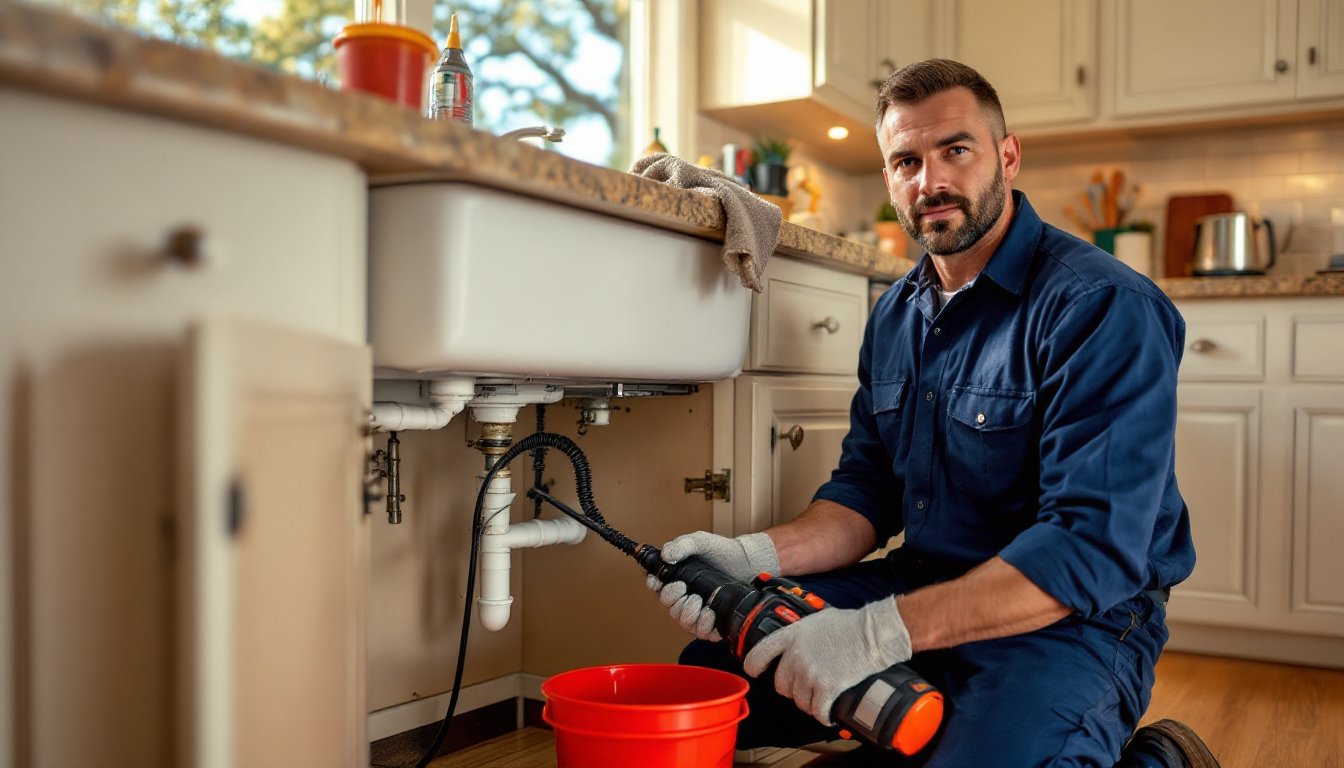
A slow drain isn’t just annoying, it’s the prelude to a much bigger problem. Whether it’s hair clogging the shower, grease coating the kitchen sink, or tree roots invading your main line, Germantown homeowners know that drainage issues can escalate fast. Clay soil and mature trees common in the area make underground pipe issues particularly frequent. This guide covers the drainage problems you’re likely facing, effective DIY methods that won’t waste your time, and the clear warning signs that it’s time to bring in a professional. You’ll also learn preventative habits that keep drains flowing year-round.
Table of Contents
ToggleKey Takeaways
- Germantown homeowners face unique drain problems due to clay-heavy soil and mature trees, including hair buildup, grease accumulation, tree root intrusion, and mineral deposits that require targeted solutions.
- Effective DIY drain cleaning methods like hot water flushes, baking soda and vinegar reactions, and manual hair extraction work well for minor clogs when addressed early, but avoid chemical cleaners that damage aging pipes.
- Invest in essential tools including a quality hand-crank drain auger, proper plungers, and a shop vacuum to handle most household clogs without professional help.
- Multiple drains backing up, sewage backups, and recurring clogs in the same location signal main sewer line issues that require professional drain cleaning equipment and camera inspection.
- Preventative maintenance including drain screens, enzyme-based maintainers, hot water flushes, and 3-5 year professional inspections protect against costly emergency repairs and keep Germantown drains flowing year-round.
- Address slow drains immediately before they develop into full blockages, as early intervention saves time, money, and prevents service calls during peak pricing periods.
Common Drain Problems Germantown Homeowners Face
Germantown’s housing stock, much of it built on clay-heavy soil, faces specific plumbing challenges that differ from newer subdivisions elsewhere. Understanding what’s normal versus what signals trouble can save both money and time.
Hair and soap buildup ranks as the top bathroom drain villain. Showers and tub drains accumulate strands that bind with soap scum, forming stubborn mats within the P-trap or just past it. This happens gradually but accelerates once the initial blockage catches more debris.
Grease and food particles destroy kitchen sink flow. Even if you’re careful, small amounts of oil coat pipes over time, catching coffee grounds, vegetable peels, and other scraps. The coating hardens, especially in winter when ground temperature drops.
Tree root intrusion affects older homes with clay or cast-iron sewer lines. Roots from mature oaks, maples, and poplars seek moisture, entering through tiny cracks or pipe joints. Once inside, they expand rapidly, creating full blockages or even cracking pipes further. Properties near wooded areas or with large trees within 50 feet of the sewer line face higher risk.
Foreign objects cause sudden blockages, toys, sanitary products, or “flushable” wipes (which aren’t actually flushable) lodging in bends or transitions between pipe materials. These require mechanical removal rather than dissolving.
Hard water mineral deposits accumulate slowly in Germantown’s moderately hard water (typically 7-10 grains per gallon). Scale builds inside pipes, narrowing diameter and catching debris that would normally pass through.
DIY Drain Cleaning Methods That Actually Work
Most minor clogs respond well to homeowner intervention if addressed early. Here’s what works, what doesn’t, and which tools earn their keep.
Natural Solutions for Minor Clogs
Hot water flush handles light grease buildup effectively. Boil a full kettle (about 1.5 quarts) and pour it directly down the drain in two stages, waiting 30 seconds between pours. This works for kitchen sinks with metal or PVC drains but skip it for older glued PVC joints, which can soften above 175°F.
Baking soda and vinegar creates agitation that loosens hair and soap films in bathroom drains. Pour 1/2 cup baking soda down the drain, follow with 1/2 cup white vinegar, and cover the drain with a wet rag. The chemical reaction lasts about 15 minutes: finish with hot water. This method won’t clear solid blockages but maintains already-flowing drains.
Manual extraction using a bent wire hanger or zip-it tool pulls out visible hair clogs in tub and shower drains. Remove the drain cover (usually just pries up or unscrews), straighten a wire hanger leaving a small hook at the end, and fish around in the P-trap. Zip-it tools, thin plastic strips with barbed edges, work even better and cost about $3 for a pack. Wear latex gloves: what comes out is unpleasant.
Avoid chemical drain cleaners for regular use. Sodium hydroxide (lye) and sulfuric acid formulas generate heat that can damage older pipes, and they’re ineffective against root intrusions or solid objects. Many professional plumbers dealing with drainage emergencies report that caustic chemicals often worsen corrosion in aging pipe systems.
Tools Every Germantown Homeowner Should Have
Plunger (the right kind): Keep both a cup plunger for sinks and a flange plunger for toilets. For sink work, block the overflow hole with a wet rag to maintain suction. Use short, rapid strokes rather than aggressive pumping.
Hand-crank drain auger (25-foot cable minimum) handles clogs beyond the P-trap. Feed the cable down the drain, crank clockwise when you hit resistance, and pull back when you feel it catch. The spinning head either breaks through soft clogs or snags debris for removal. A good auger costs $25–$50 and lasts decades. Cheaper models with thin cables kink easily and won’t push past tough blockages.
Pipe wrench and bucket for P-trap removal. Kitchen and bathroom sink traps unscrew (sometimes by hand if they’re plastic). Place a bucket underneath, loosen the slip nuts, and remove the curved section. Hair and sludge usually accumulate right there. Clean it out, check the tailpiece and drainpipe for additional buildup, and reassemble. Replacing the rubber washers during reassembly prevents future leaks, they cost about $1 each.
Wet/dry shop vacuum (5-gallon capacity or larger) can extract water from a clogged fixture and sometimes pull out blockages through suction alone. Create a tight seal around the drain opening using a rag, set to liquid mode, and run it for 30-60 seconds. This approach sometimes works when plungers fail, particularly with solid objects.
When to Call a Professional Drain Cleaner in Germantown
Some situations exceed DIY capability or risk making problems worse. Here’s when to step back and call for help.
Multiple drains backing up simultaneously indicates a main sewer line issue, not an isolated fixture problem. If flushing the toilet causes the shower drain to gurgle or back up, tree roots or a collapsed pipe are likely culprits. Main line work requires professional camera inspection and power augers (100+ feet) or hydro-jetting equipment.
Sewage backup is both a health hazard and a sign of serious blockage. Black water contains bacteria and pathogens requiring proper safety protocols. Professional cleaners wear appropriate PPE (respirators, nitrile gloves, waterproof boots) and know safe disposal methods. Don’t attempt this yourself.
Repeated clogs in the same location after you’ve cleared them suggest deeper issues, partial collapse, severe scale buildup, or persistent root intrusion. According to data from HomeAdvisor, recurring drain problems often indicate pipe damage that requires replacement rather than repeated cleaning.
Cleanout access problems complicate DIY work. If your home lacks an accessible cleanout or the main line cleanout is rusted shut, forcing it risks breaking the fitting. Professionals have tools to handle frozen cleanouts without damage.
Old or fragile pipes (cast iron older than 50 years, orangeburg pipe, heavily corroded galvanized) can crack under aggressive augering. If you’re unsure of your pipe material or age, a camera inspection ($150–$300) provides answers before you risk expensive breaks.
Licensed plumbers carry liability insurance and know local codes, essential for work that might require excavation or replacement. Germantown requires permits for sewer line replacement and water service work, and only licensed contractors can pull those permits.
Preventative Maintenance Tips to Keep Your Drains Flowing
Consistent habits prevent most drain emergencies. These practices take minimal effort but deliver significant long-term results.
Install drain screens in all sinks, showers, and tubs. Mesh or perforated metal screens ($3–$10 each) catch hair and food particles before they enter pipes. Clean them weekly, just lift out and wipe into the trash.
Run hot water after each kitchen use for 30 seconds. This keeps grease liquid long enough to reach the main sewer line rather than solidifying in your branch drains. Follow weekly with a full kettle of boiling water.
Never pour grease down drains, period. Let cooking oil cool in a can or jar and throw it in the trash. Even small amounts accumulate over time, and commercial drain cleaners won’t dissolve hardened grease effectively.
Use enzyme-based drain maintainers monthly. Unlike caustic chemicals, enzyme products (brands like Bio-Clean or Green Gobbler) use bacteria cultures that digest organic material gradually. Following the maintenance schedules from ImproveNet, pour the recommended amount down each drain before bed, when the pipes sit idle for hours. They won’t clear existing clogs but prevent buildup.
Flush unused drains weekly. Guest bathrooms, basement sinks, and other infrequently used fixtures should run for two minutes weekly. This maintains the water seal in P-traps (which prevents sewer gas entry) and prevents buildup in idle pipes.
Schedule professional inspection every 3–5 years if you have mature trees near sewer lines or live in a home older than 30 years. Camera inspections catch root intrusion or pipe deterioration early, when repair costs remain reasonable. Full sewer line replacement runs $3,000–$12,000 depending on length, depth, and access, while early root removal might cost $200–$500.
Don’t treat toilets as trash cans. Only human waste and toilet paper belong there. Wipes (even “flushable” ones), dental floss, cotton swabs, and feminine products cause blockages in main lines that require professional hydro-jetting.
Address slow drains immediately. A drain that takes 30 seconds to empty instead of 5 seconds is telling you something’s building up. Clear it while it’s still minor rather than waiting for a full blockage during a holiday when service rates triple.
Conclusion
Most drain problems respond to straightforward DIY solutions when caught early, hot water flushes, manual extraction, or a quality hand auger handle the majority of household clogs. But knowing your limits matters just as much as knowing the techniques. Main line issues, recurring blockages, and sewage backups require professional equipment and expertise. Invest in basic tools, practice preventative maintenance, and you’ll keep most drainage headaches at bay.