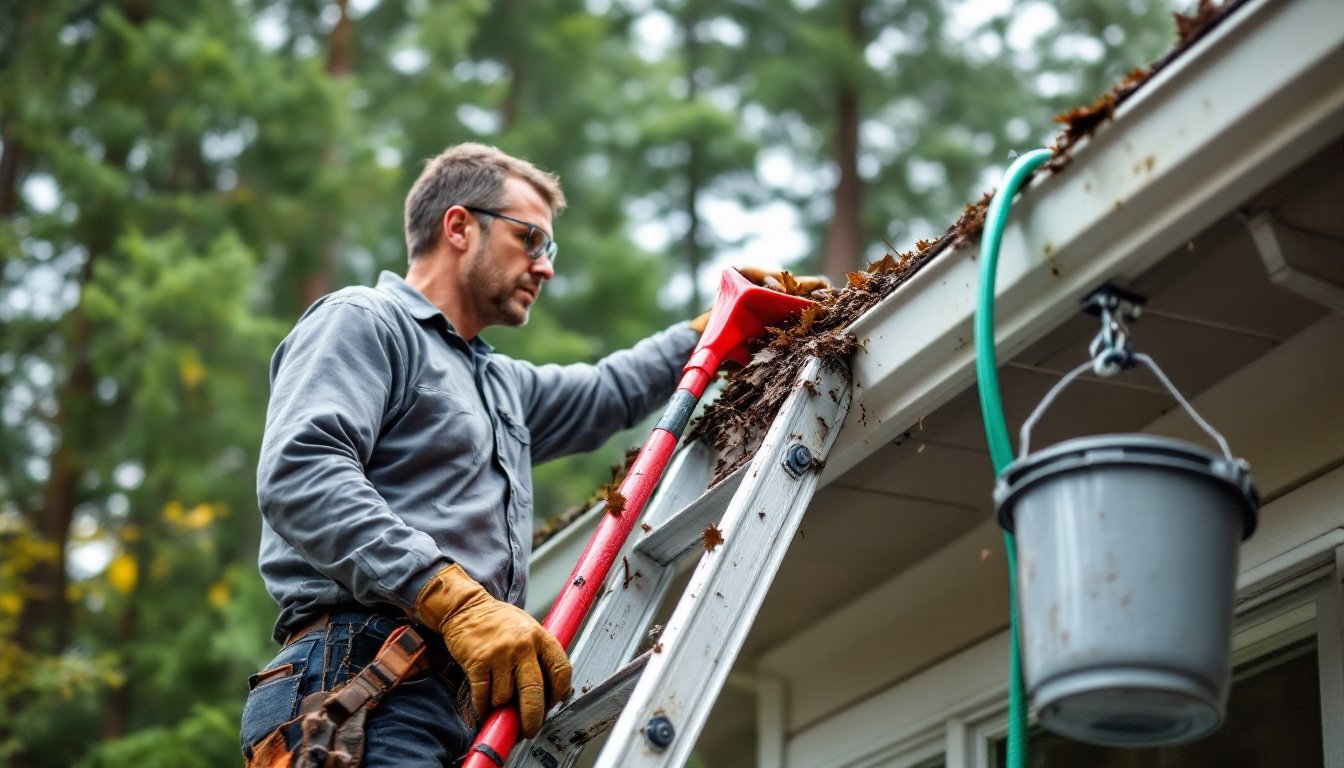
Gutters in Greensboro take a beating. Between the oak and maple leaves dropping every fall, pine needles year-round, and the occasional heavy storm rolling through the Piedmont, your gutters aren’t just catching rain, they’re collecting a compost heap. When that debris builds up, water overflows, foundations crack, and fascia boards rot. Most homeowners wait until they see waterfalls pouring over the edges during a downpour, but by then, damage is already underway. Whether someone’s planning to tackle the job themselves or hire a professional, knowing when, how, and why to clean gutters can save thousands in repair bills.
Table of Contents
ToggleKey Takeaways
- Gutter cleaning in Greensboro should be done at least twice yearly—in late spring and late fall—to prevent foundation damage, ice dams, and costly repairs that can exceed $10,000.
- Clogged gutters in Greensboro cause water overflow that erodes foundations, breeds mosquitoes, adds dangerous weight to gutters, and allows mold and algae to damage siding and create safety hazards.
- DIY gutter cleaning requires proper safety equipment, ladder techniques, and a step-by-step process including debris removal, water flushing, and slope inspection, but hiring a professional is safer for multi-story homes.
- Professional gutter cleaning services in Greensboro average $100–$450 depending on home size and gutter length, with seasonal contracts offering 15–20% savings compared to one-off service calls.
- Gutter guards, branch trimming, proper slope maintenance, and extended downspouts can significantly reduce debris buildup and extend the time between cleanings, protecting your investment for 20–30 years.
Why Gutter Cleaning Is Essential for Greensboro Homes
Greensboro’s climate and tree coverage create the perfect storm for clogged gutters. The city sits in a hardwood forest transition zone, meaning neighborhoods are lined with oaks, maples, sweetgums, and pines, all prolific leaf and needle producers.
When gutters clog, water has nowhere to go but over the sides. That overflow erodes soil around foundations, seeps into crawl spaces, and saturates basement walls. In Greensboro’s clay-heavy soil, poor drainage accelerates settling and cracking. A single season of neglected gutters can lead to foundation repairs costing $3,000–$10,000.
Clogged gutters also create ice dams in winter (yes, even in North Carolina). When temps drop and snowmelt refreezes at the gutter line, it backs up under shingles and damages roof decking. The fascia boards behind gutters rot when constantly soaked, requiring carpentry work that runs $15–$30 per linear foot.
Mosquitoes love standing water in clogged gutters. Greensboro already battles mosquito-borne illnesses seasonally, and a blocked gutter becomes a breeding ground within days. Beyond pests, the added weight of wet debris, sometimes 300+ pounds on a single-story home, can pull gutters away from fascia boards or cause sections to collapse.
Finally, gutters full of organic matter invite mold, algae, and fungal growth. That black streaking down the outside of gutters isn’t just cosmetic: it’s algae feeding on decomposed leaves. Left unchecked, it stains siding and creates slippery conditions on walkways below.
When to Clean Your Gutters in Greensboro
Timing matters. In Greensboro, gutters should be cleaned at least twice a year: once in late spring (April–May) and again in late fall (November–December).
The spring cleaning clears out flower debris, seed pods, and pollen buildup before the heavy rains of late spring and summer. Greensboro averages 42–45 inches of rain annually, with May and July seeing the heaviest downpours. Clean gutters before those months hit.
Fall cleaning is non-negotiable. Deciduous trees drop leaves from October through December, and pines shed needles constantly. A single oak tree can dump hundreds of pounds of leaves into gutters in a matter of weeks. If gutters aren’t cleared by Thanksgiving, the first winter freeze will lock debris in place, making removal harder and allowing ice dams to form.
Homes near heavy tree cover, especially those with overhanging branches, may need quarterly cleanings. If a property has sweetgum trees (those spiky seed balls are gutter killers) or if gutters filled with debris after a single storm, bump up the schedule.
Watch for warning signs between scheduled cleanings: water spilling over edges during rain, sagging gutter sections, plants sprouting from gutters (yes, it happens), or birds nesting in downspouts. These all signal it’s time to clean, regardless of the calendar.
DIY Gutter Cleaning: Step-by-Step Instructions
Cleaning gutters is straightforward, but it’s physically demanding and involves ladder work. If the home is two stories or the homeowner isn’t comfortable on a ladder, hiring a pro is the smarter call. For single-story homes and confident DIYers, here’s the process.
Step 1: Set up safely. Use a sturdy extension ladder rated for at least 225 pounds (Type II). Position it on level ground, with the base one foot away from the house for every four feet of height. Never lean a ladder against gutters themselves, they’ll bend or pull away. Wear non-slip shoes, and have someone steady the ladder if possible.
Step 2: Scoop out debris. Starting at a downspout, use a gutter scoop or a small plastic trowel to remove leaves, twigs, and sludge. Drop debris into a bucket hung from the ladder using an S-hook, or toss it onto a tarp below. Work in sections, moving the ladder frequently rather than overreaching.
Step 3: Flush with water. Once debris is cleared, use a garden hose with a spray nozzle to flush remaining sediment toward downspouts. Check that water flows freely. If a downspout is clogged, disconnect it at the elbow and use a plumber’s snake or high-pressure nozzle to clear the blockage from the bottom up.
Step 4: Inspect while you’re up there. Look for loose hangers, rust spots, or separated seams. Check that gutters slope toward downspouts (about ¼ inch per 10 feet). If water pools in sections, hangers may need adjusting.
Step 5: Clean up and check ground drainage. Ensure downspouts direct water at least 4–6 feet away from the foundation using splash blocks or extenders.
Safety Tips and Equipment You’ll Need
Gutter cleaning sends thousands of people to the ER every year. Don’t skip safety.
Personal Protective Equipment (PPE):
- Work gloves: Leather or heavy rubber. Gutter debris hides sharp sticks, metal shards, and wasp nests.
- Safety glasses: Dried leaves and grit blow back when flushing gutters.
- Non-slip boots or shoes: Wet ladder rungs and roofs are slick.
Tools and Materials:
- Extension ladder (fiberglass is safer than aluminum near power lines)
- Gutter scoop or plastic trowel
- 5-gallon bucket with S-hook
- Garden hose with adjustable nozzle
- Tarp (if tossing debris to the ground)
- Plumber’s snake (for stubborn downspout clogs)
Safety Rules:
- Never work alone if you’re not experienced on ladders.
- Avoid ladder work on windy days or wet surfaces.
- Keep your hips between the ladder rails, don’t overreach.
- Use ladder stabilizers if working near corners or windows.
- Stay clear of power lines. If gutters are within 10 feet of a line, call a professional.
If the home has a steep roof pitch (over 6:12), multiple stories, or the homeowner has mobility issues, this is a job for a pro. No repair bill is worth a fall.
How to Hire a Professional Gutter Cleaning Service in Greensboro
Hiring a gutter cleaning professional in Greensboro takes the risk and hassle off the homeowner’s plate. But not all services are equal.
What to Look For:
- Licensed and insured: Verify general liability and workers’ comp coverage. If a worker falls off your roof, you don’t want to be on the hook.
- Local references and reviews: Check Google, Nextdoor, and Angi for feedback. Look for mentions of punctuality, cleanup quality, and whether they spotted gutter or roof damage.
- Detailed scope of work: The estimate should specify gutter cleaning, downspout flushing, minor debris removal, and a post-job walkthrough. Some companies include a roof and gutter inspection.
Red Flags:
- Estimates given over the phone without seeing the property.
- No proof of insurance.
- Pressure to sign same-day or bundle unnecessary repairs.
- Prices far below average (often a sign of unlicensed operators or bait-and-switch tactics).
Questions to Ask:
- Do you clean gutters by hand or use blowers? (Hand cleaning is more thorough.)
- Will you flush and clear downspouts?
- Do you haul away debris, or does the homeowner handle disposal?
- Can you provide photos of problem areas (rust, sagging sections, fascia damage)?
Many Greensboro companies offer seasonal contracts with two cleanings per year at a discount. If the property has heavy tree cover, this can save 15–20% compared to one-off service calls.
Cost of Gutter Cleaning in Greensboro: What to Expect
Pricing for greensboro gutter cleaning varies based on home size, gutter length, and the level of clog.
Average Costs (2026 estimates for Greensboro metro):
- Single-story home (up to 200 linear feet): $100–$175
- Two-story home (200–300 linear feet): $150–$300
- Large or multi-level home (300+ linear feet): $250–$450
These figures assume standard gutter cleaning with downspout flushing and debris removal. Add-ons like gutter guard installation, minor repairs, or roof moss removal cost extra.
Factors That Increase Price:
- Height and roof pitch: Two-story or steep-roof homes require more equipment and time.
- Heavy clog or compacted debris: If gutters haven’t been cleaned in years, expect a surcharge for the extra labor.
- Tree density: Homes surrounded by oaks, pines, or sweetgums take longer to clear.
- Accessibility: If ladders can’t easily reach all sections (landscaping, fences, or narrow side yards), pros may charge more.
Most contractors on platforms like HomeAdvisor offer free estimates. Get at least three quotes and compare scope, not just price. The cheapest bid often skips downspout clearing or leaves debris in the yard.
Some companies charge by the hour ($50–$90/hour) rather than per job. For straightforward single-story cleaning, per-job pricing is usually more economical. Hourly rates make sense for complex properties or when combining gutter work with other exterior maintenance.
Don’t forget: regular cleaning is cheaper than repairs. Replacing fascia boards, repairing foundation cracks, or remediating water damage in a crawl space will cost far more than a $150 twice-yearly cleaning.
Gutter Maintenance Tips to Prevent Future Clogs
Cleaning gutters twice a year is baseline maintenance, but a few proactive steps can reduce clogs and extend the time between cleanings.
Install Gutter Guards
Gutter guards (also called gutter screens or covers) block large debris while allowing water through. Options include mesh screens, reverse-curve covers, and foam inserts. Quality matters: cheap snap-on screens clog with pine needles and shingle grit. Professional-grade micro-mesh guards (like LeafFilter or Raptor) cost $7–$15 per linear foot installed but can cut cleaning frequency in half. They won’t eliminate maintenance entirely, fine debris still gets through, but they reduce the load significantly.
Trim Overhanging Branches
Branches within 6–10 feet of the roofline drop the most debris. Trimming them back reduces leaf and twig buildup and minimizes the risk of storm damage. For large trees or branches near power lines, hire a certified arborist. According to advice from experts like those at Bob Vila, keeping trees properly trimmed is one of the most effective ways to reduce gutter maintenance.
Check and Adjust Gutter Slope
Gutters should slope about ¼ inch per 10 feet toward downspouts. If water pools in sections, leaves and sediment settle instead of washing out. Adjusting hangers or adding new ones can correct sagging. This is a simple fix that prevents clogs from forming in the first place.
Extend Downspouts Away from the Foundation
Downspouts should discharge at least 4–6 feet from the house. Use splash blocks, flexible extensions, or underground drains to direct water away. This protects foundations and reduces the chance of water backing up into clogged downspouts.
Inspect Twice a Year, Even with Guards
Gutter guards reduce debris, but they don’t eliminate it. Schedule a visual inspection in spring and fall. Look for sagging, rust, separated seams, or plants growing out of gutters. Catching small issues early prevents expensive repairs.
Seal Leaks Promptly
Small leaks at seams or end caps worsen quickly. Use a gutter sealant (butyl rubber or silicone-based) to patch small holes and seal joints. For larger cracks or rust-through, replace the affected section, patching won’t hold.
Clean Out Downspout Strainers
Many downspouts have strainers at the top to catch large debris. These clog easily. Pop them out and rinse them during each cleaning to keep water flowing.
Consistent maintenance is cheaper than emergency repairs. A well-maintained gutter system lasts 20–30 years, while neglected gutters may need replacement in 10–15.