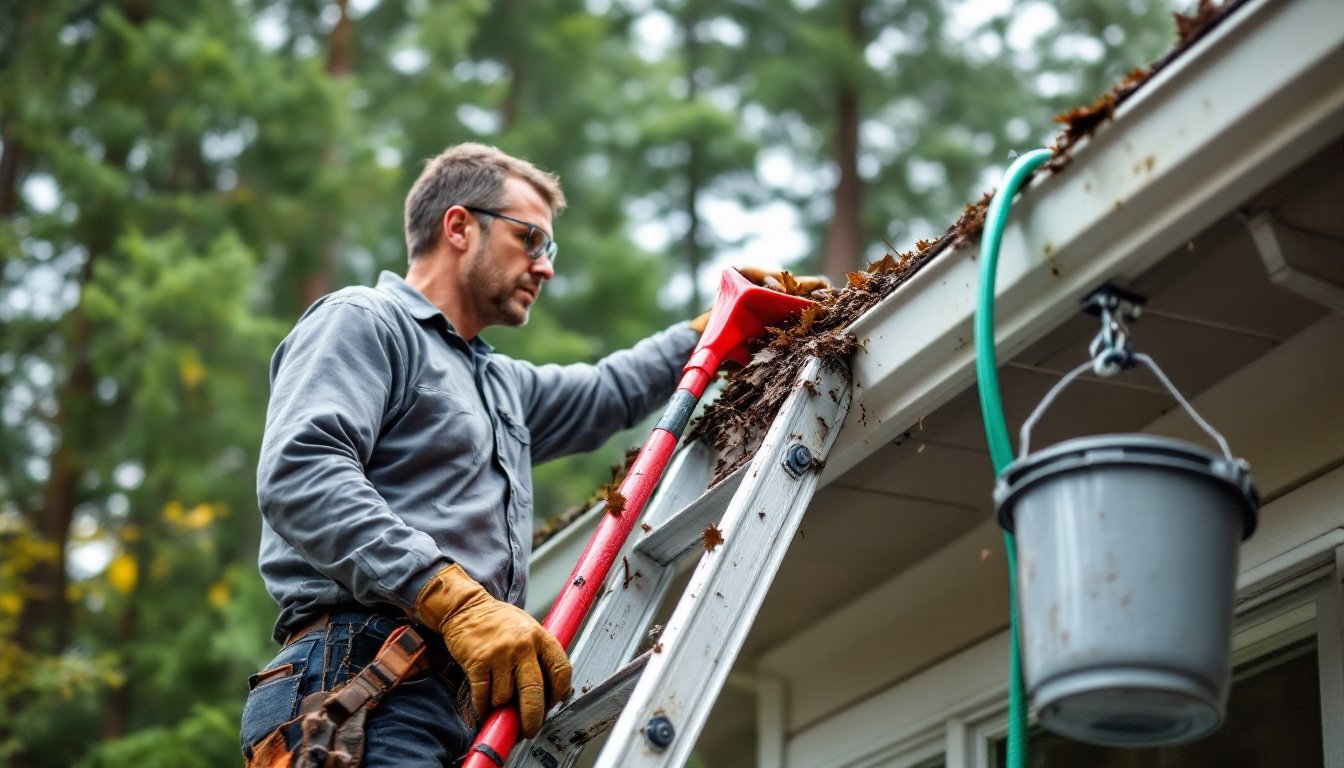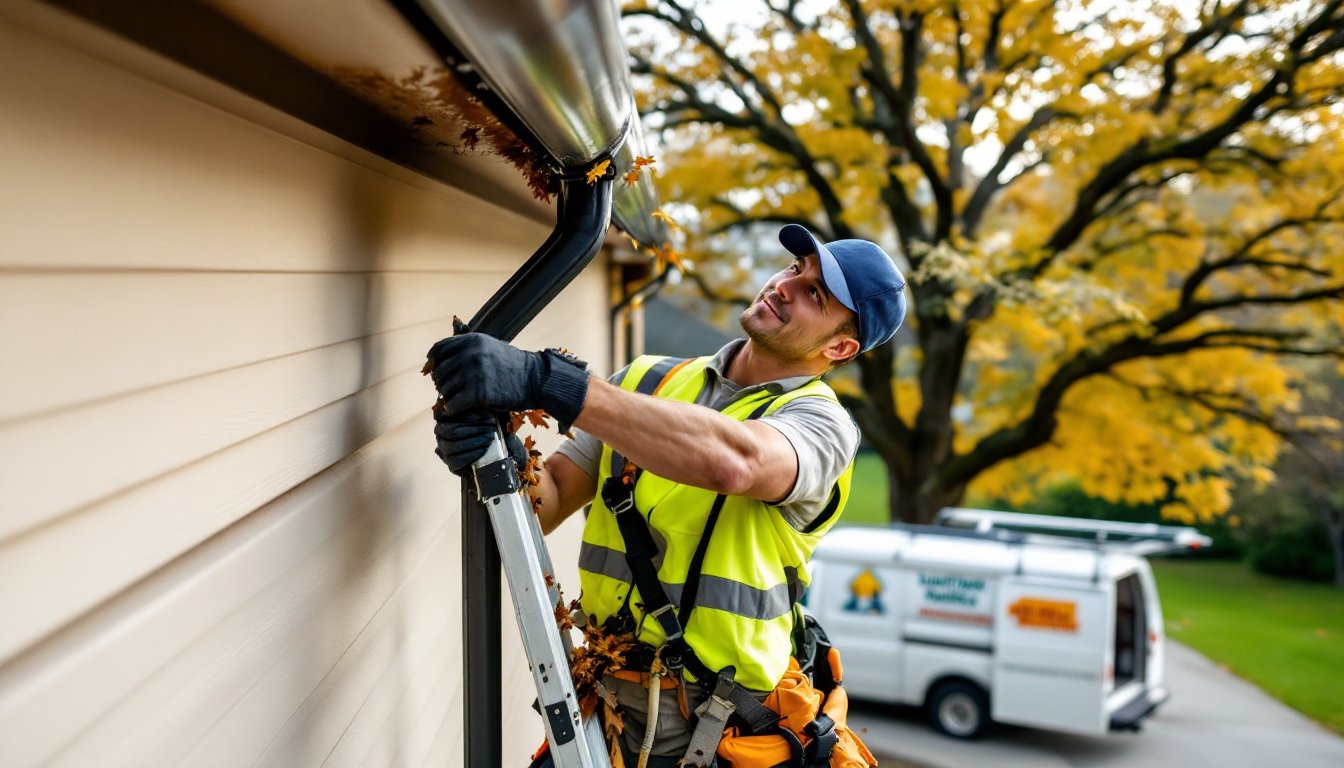
Clogged gutters don’t just look bad, they funnel thousands of gallons of water straight into your foundation, rot fascia boards, and turn basements into unwanted swimming pools. Most homeowners know gutters need attention, but climbing a ladder twice a year with a bucket and scoop isn’t everyone’s idea of a good Saturday. That’s where professional gutter cleaning services come in. Finding a reliable local crew in 2026 means navigating online reviews, pricing structures, and a minefield of fly-by-night operations. This guide walks homeowners through what matters: how to vet services, what you’ll pay, and when it makes sense to call in the pros versus grabbing the ladder yourself.
Table of Contents
ToggleKey Takeaways
- Professional gutter cleaning services prevent costly foundation damage, fascia rot, and basement flooding by ensuring water flows properly away from your home.
- Find reliable gutter cleaning services by checking for 100+ reviews with 4.5+ stars, verifying general liability and workers’ compensation insurance, and avoiding companies without physical addresses or high-pressure sales tactics.
- Gutter cleaning typically costs $100-$250 for single-story homes and $175-$350 for two-story homes, with seasonal maintenance plans offering 10-20% discounts on per-visit rates.
- DIY gutter cleaning only makes sense for single-story homes with safe ladder placement and minimal tree coverage, while professional crews are essential for two-story or complex rooflines where fall risks are high.
- Always request written estimates, ask what’s included in the base price, clarify debris disposal procedures, and never pay the full amount upfront—use credit cards to protect against fraud.
Why Professional Gutter Cleaning Matters for Your Home
Gutters handle an enormous volume of water. A single inch of rain on a 2,000-square-foot roof generates roughly 1,250 gallons of runoff. When leaves, pine needles, shingle grit, and debris clog the channel, that water has nowhere to go but over the edge, often right against your siding or foundation.
The consequences stack up fast. Foundation damage tops the list: standing water erodes soil, creates hydrostatic pressure, and can crack poured concrete or block foundations. Repairs start around $4,000 and climb quickly. Fascia and soffit rot follows close behind: wet wood invites carpenter ants, mold, and structural decay that requires complete board replacement.
Professional gutter cleaners don’t just scoop debris. They inspect downspout flow, check for sagging sections caused by loose fascia brackets, and spot early signs of rust or separation at seams. Many also flush the system to confirm proper pitch (¼ inch per 10 feet of run toward downspouts). Catching a misaligned gutter before it dumps water into a basement is worth every dollar.
Safety is the other half of the equation. Falls from ladders account for thousands of ER visits every year. Extension ladders on uneven ground, wet leaves underfoot, and reaching too far sideways all turn routine maintenance into a trip to urgent care. Professionals carry liability insurance and use stabilizer bars, harnesses, and proper ladder technique.
How to Find Reliable Gutter Cleaning Services Near You
Start with local referrals. Ask neighbors, your roofer, or a trusted handyman. Word-of-mouth still beats algorithm-driven ads when you need someone who’ll show up on time and not ghost you after a deposit.
Online platforms streamline the search. Services like local gutter cleaning pros aggregate customer reviews, pricing estimates, and license verification in one place. Look for companies with 100+ reviews and a rating above 4.5 stars. A few complaints are normal: zero reviews often means a brand-new operation with no track record.
Check licensing and insurance. Most states don’t require a specialty license for gutter cleaning, but legitimate companies carry general liability (covers property damage) and workers’ comp (protects you if a crew member gets hurt on your property). Ask for proof, a real certificate of insurance lists your address as “certificate holder” for the job date.
Local business listings matter more than slick websites. Google Business Profile, Yelp, and even neighborhood Facebook groups show recent activity. If the last review is from 2023 or the phone number goes to voicemail with no callback, move on.
Homeowner-focused platforms like HomeAdvisor offer contractor matching based on project scope and budget. They pre-screen for background checks and license status, though you’ll still want to verify reviews independently. Avoid companies that only advertise through door hangers or show up unannounced offering “discounts for today only.”
What to Expect: Pricing and Service Packages
Gutter cleaning typically costs $100 to $250 for a single-story home with 150-200 linear feet of gutter. Two-story homes run $175 to $350, and tall or complex rooflines (dormers, multiple valleys, steep pitch) push prices toward $400+. Pricing varies by region, urban markets and high-cost-of-living areas charge more.
Most companies quote by linear footage or a flat rate based on home size and stories. Expect $0.75 to $1.50 per linear foot for basic cleaning (debris removal, downspout flush). Add-ons increase the bill: minor repairs (reattaching brackets, sealing leaks) run $25-$75, gutter guard installation starts around $8-$15 per foot, and roof debris removal (leaves in valleys) adds $50-$100.
Service packages bundle cleanings with discounts. A twice-a-year contract (spring and fall) often knocks 10-20% off the per-visit rate. Some companies include a free inspection or gutter tune-up (adjusting pitch, tightening hardware) as part of annual plans.
Watch for hidden fees. Excessive debris, lack of ground-level access, or homes surrounded by tall trees can trigger surcharges. Get a written estimate before work starts. Reputable companies offer free on-site quotes or accurate pricing from photos and square footage.
Payment terms matter. Never pay in full upfront. A small deposit (10-25%) is reasonable for scheduled seasonal work: balance due upon completion is standard. Credit cards offer fraud protection: cash or Venmo payments leave no paper trail if something goes wrong.
Red Flags to Avoid When Hiring Local Gutter Cleaners
No physical address or local phone number is a hard stop. Legitimate businesses have a verifiable location, even if it’s a home-based operation. A toll-free number, generic email, and PO box suggest a national lead-gen company that subcontracts locally with minimal oversight.
Pressure tactics are a warning sign. “Discount expires today,” door-to-door solicitation after a storm, or requiring immediate payment to “lock in pricing” all point to scams. Real companies book weeks out during peak season (spring/fall) and don’t need high-pressure closes.
Watch for lowball estimates that seem too good to be true. A quote 40% below competitors often means the crew will show up, claim “unexpected damage,” and demand triple the price mid-job, or do sloppy work (debris blown onto landscaping, broken downspouts, no flush test).
No contract or vague scope of work invites disputes. A written agreement should list services (clean gutters, flush downspouts, haul debris), pricing, payment terms, and completion date. Verbal promises mean nothing when water’s pouring over your eaves.
Unlicensed or uninsured operators shift all risk to you. If a worker falls off your roof or a ladder gouges your siding, you’re liable without their insurance. Always ask for a certificate of insurance (COI) and call the insurer to verify it’s active.
Finally, no reviews or only 5-star reviews raise suspicion. Real businesses accumulate a mix: all perfect scores with generic praise (“Great service.”) often signal fake reviews. Check multiple platforms, Google, Yelp, BBB, and read the 2- and 3-star reviews to see how the company handles complaints.
DIY vs. Professional Gutter Cleaning: Which Is Right for You?
DIY makes sense for single-story homes with safe, stable ladder placement and minimal tree coverage. You’ll need an extension ladder (rated for your weight plus 25%), a gutter scoop or gloved hands, a bucket or tarp for debris, and a garden hose with spray nozzle. Budget 2-4 hours for a typical home.
Safety requirements include level ground for the ladder base, a standoff or stabilizer to keep the ladder off the gutter, and gloves (leather or heavy rubber) to protect against sharp metal edges, wasp nests, and mold. Safety glasses are non-negotiable, gunk, shingle grit, and surprises (like decomposed rodents) spray everywhere when you flush downspouts.
The cost advantage is obvious: $0 for labor if you own the ladder and tools. But factor in your time and the risk. A 16-foot extension ladder costs $100-$200: a stabilizer bar runs $30-$50. If you only clean gutters twice a year, the ROI depends on how many years you’ll do it yourself versus paying $200 annually for pros.
Hire professionals when working with two-story or taller homes, steep roof pitch (7/12 or greater), or complex rooflines with dormers and valleys. Homes surrounded by oak, pine, or other heavy-shedding trees need frequent cleaning, three to four times per year, and pros do it faster with better tools (backpack blowers, high-volume flush systems).
If you’re uncomfortable on ladders, have mobility issues, or lack the time, there’s zero shame in outsourcing. Falls cause serious injuries, and patching a separated gutter is cheaper than an ER visit. Design enthusiasts who browse project inspiration platforms often prioritize curb appeal, and clogged gutters spilling stains down siding wreck exterior aesthetics fast.
Questions to Ask Before Booking Your Service
Start with “Are you licensed and insured?” Request a copy of their general liability and workers’ comp certificates. If they hesitate or claim it’s “not necessary,” walk away.
Ask “What’s included in the base price?” Clarify debris removal (do they bag it or blow it into your flower beds?), downspout flushing, and any inspection or minor repairs. Confirm whether gutter guards or screens are cleaned or removed temporarily.
“How do you handle damage?” Gutters are fragile: sections pull loose, seams leak, and brackets snap. A good company inspects before starting, documents existing issues, and explains what’s fixable during the visit versus what needs a separate repair estimate.
Inquire about “cleanup and disposal.” Some crews leave piles of wet leaves on the lawn or in your driveway. Professional outfits haul debris or at least consolidate it neatly for curbside pickup.
“Do you offer maintenance plans?” Seasonal contracts (spring and fall cleanings) often include reminders, priority scheduling, and discounted rates. If you’re in a wooded area, ask about quarterly service to prevent overflow during heavy rain.
Finally, “Can you provide references or recent reviews?” A confident company hands over contact info for past clients or directs you to verified reviews. If they dodge or say “all our reviews are on our website” (which they control), that’s a red flag.
Get everything in writing. A professional estimate lists services, pricing, start date, and payment terms. Verbal agreements evaporate when disputes arise.
Conclusion
Finding reliable gutter cleaning services in 2026 comes down to assignments: verify insurance, read recent reviews across multiple platforms, and get written estimates that spell out every detail. Whether you’re protecting a foundation, avoiding ladder risks, or just reclaiming your weekend, hiring the right local crew beats water damage repair bills and emergency calls to roofers. Ask the right questions upfront, watch for red flags, and you’ll keep water flowing where it belongs, away from your home.