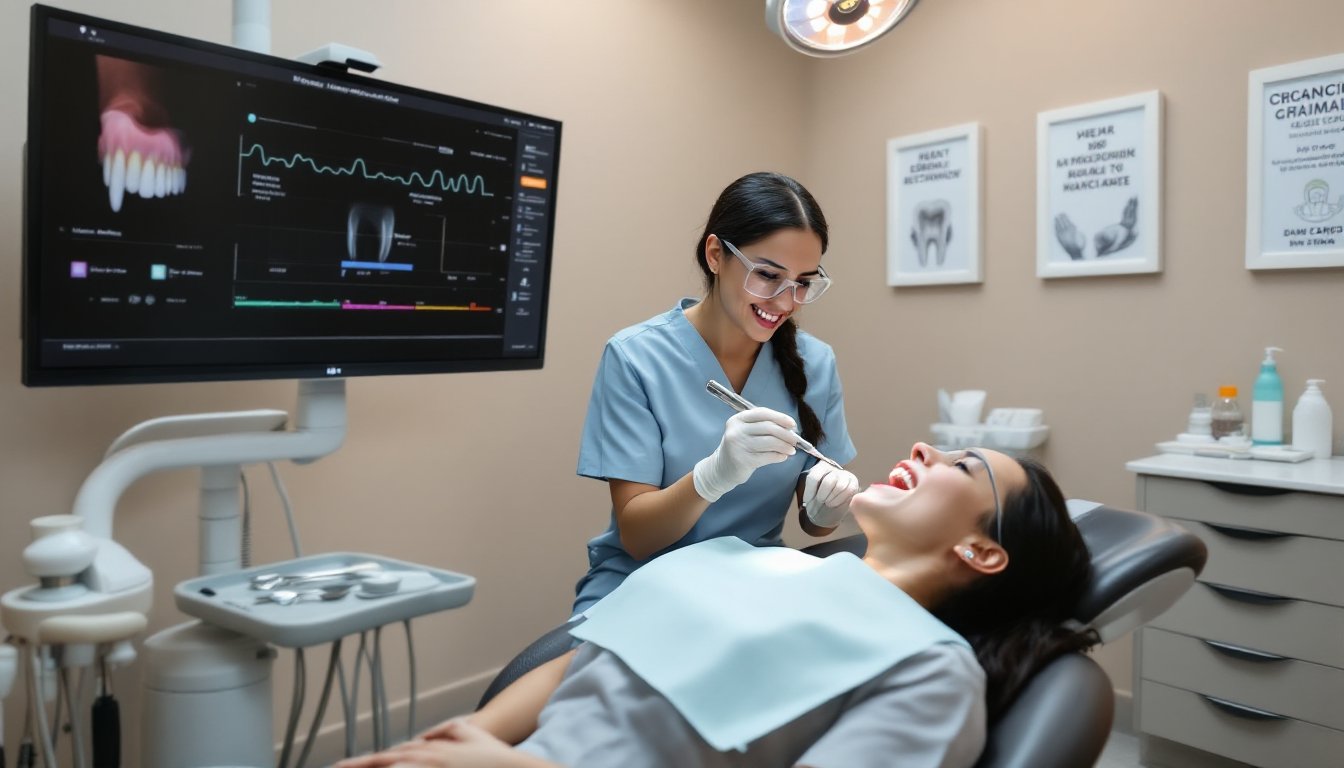
If you’re searching “deep cleaning teeth near me,” chances are your dentist mentioned gum disease, pocket depth, or scaling and root planing. Deep cleaning isn’t the same as a regular six-month checkup, it’s a therapeutic procedure that targets bacteria and tartar below the gumline. Finding the right provider means balancing proximity, credentials, cost, and insurance coverage. This guide walks through what deep cleaning involves, how to locate qualified dental professionals in your area, what happens during the appointment, and how to navigate the financial side without surprises.
Table of Contents
ToggleKey Takeaways
- Deep cleaning teeth (scaling and root planing) removes bacteria and tartar below the gumline to treat gum disease affecting roughly 47% of U.S. adults over 30.
- Find qualified providers by searching Google Maps, checking dental directories like Zocdoc and Healthgrades, verifying state dental board credentials, and reading mid-range reviews for specific procedure feedback.
- During a deep cleaning appointment, expect local anesthesia, ultrasonic scaling, root planing, and post-op care instructions—plan for 45 to 90 minutes per quadrant with possible numbness lasting two to four hours.
- Deep cleaning costs $600 to $1,600 for a full mouth without insurance, but dental plans typically cover 50% to 80% after deductible; request pre-authorization to avoid billing surprises.
- Preventive six-month cleanings costing $75 to $200 prevent the $1,000-plus cost of deep cleaning, making early gum disease detection and consistent home care essential investments.
What Is Deep Cleaning Teeth and Why You Need It
Deep cleaning, clinically called scaling and root planing, goes beneath the gumline to remove plaque, calculus (hardened tartar), and bacteria that cause periodontal disease. Unlike a prophylaxis (standard cleaning), this procedure treats gum pockets deeper than 3 millimeters and smooths root surfaces to help gum tissue reattach.
You might need deep cleaning if you have:
- Gingivitis progressing to periodontitis (inflamed, bleeding gums that pull away from teeth)
- Pocket depths measured at 4 millimeters or greater during a periodontal probing exam
- Bone loss visible on X-rays, indicating advanced gum disease
- Persistent bad breath or loose teeth even though regular brushing
Periodontitis affects roughly 47% of adults over 30 in the U.S., according to CDC data. Left untreated, it can lead to tooth loss and has been linked to systemic conditions like cardiovascular disease and diabetes complications. Deep cleaning halts disease progression, reduces inflammation, and creates a clean foundation for home care routines.
The procedure is typically divided into quadrants and may require local anesthesia. Some practices offer nitrous oxide or oral sedation for anxious patients. Hygienists use ultrasonic scalers and hand instruments to break up deposits, then smooth root surfaces to discourage bacterial recolonization. You may need two to four appointments depending on severity.
How to Find the Best Deep Teeth Cleaning Services Near You
Use Online Search Tools and Dental Directories
Start with Google Maps or Google Search. Type “periodontist near me” or “dental deep cleaning [your city]” to surface local practices with embedded reviews, hours, and contact info. Google prioritizes proximity and user ratings, making it easy to compare options at a glance.
Dental-specific directories offer more filters:
- Zocdoc lets you book same-day or next-day appointments, filter by insurance, and read verified patient reviews.
- Healthgrades and Vitals provide detailed profiles including education, board certifications, and malpractice history.
- Your insurance provider’s directory ensures the dentist is in-network, avoiding balance billing surprises.
Cross-reference providers on at least two platforms. Some directories scrape outdated data, so verify office addresses and phone numbers before driving across town.
If you’re juggling multiple home projects, similar research strategies work when hiring contractors. Platforms like Angi aggregate service provider reviews and cost guides, helping homeowners vet professionals for everything from plumbing to roofing.
Check Reviews and Credentials
Look beyond the star rating. Read three-star and four-star reviews, they often highlight specific strengths (gentle hygienists, clear cost breakdowns) and real weaknesses (long wait times, upselling) that five-star and one-star extremes miss.
Pay attention to:
- Procedure-specific feedback: Did reviewers mention scaling and root planing comfort, post-op care instructions, or follow-up appointments?
- Billing transparency: Are surprise fees a recurring complaint?
- Staff turnover: A revolving door of hygienists can signal management issues.
Verify credentials through your state dental board’s website. Confirm the dentist holds an active DDS or DMD license with no disciplinary actions. Periodontists complete an additional three years of residency beyond dental school and hold certification from the American Board of Periodontology.
Check if the practice uses modern equipment like digital X-rays (90% less radiation than film) and ultrasonic scalers (more comfortable than hand scaling alone). Ask about infection control protocols, autoclave sterilization logs and single-use instruments are non-negotiable.
What to Expect During Your Deep Cleaning Appointment
Your first visit starts with a comprehensive periodontal exam. The hygienist or dentist probes around each tooth, measuring pocket depths at six points per tooth and recording bleeding or recession. Digital X-rays reveal bone loss and subgingival calculus.
If deep cleaning is recommended, here’s the typical sequence:
- Anesthesia: Local injection numbs the treatment quadrant. Expect a pinch and slight pressure. The numbness lasts two to four hours after the appointment.
- Scaling: Ultrasonic scalers vibrate at 25,000 to 50,000 Hz, breaking up tartar with a water spray. Hand instruments (curettes) remove deposits the scaler can’t reach and smooth root surfaces.
- Root planing: The hygienist planes root surfaces to remove endotoxins and create a glass-smooth finish. This encourages gum reattachment and discourages bacterial colonization.
- Irrigation: Antimicrobial rinse flushes debris from pockets. Some offices apply local antibiotics like Arestin (minocycline microspheres) directly into deep pockets.
Each quadrant takes 45 to 90 minutes. Many patients split treatment across two appointments to minimize time in the chair and manage numbness.
Post-procedure care mirrors home improvement prep work, skip it and you’ll undo the professional effort. For the first 24 hours:
- Avoid hot, spicy, or crunchy foods (stick to soup, yogurt, mashed potatoes).
- Don’t brush the treated area: rinse gently with warm salt water (1 teaspoon salt per 8 ounces water).
- Expect slight bleeding and tenderness for two to three days. Over-the-counter ibuprofen manages discomfort.
Resume gentle brushing after 24 hours with a soft-bristled brush. Water flossers, like those reviewed in guides on the best water flossers, help clean below the gumline without aggravating healing tissue. Avoid traditional floss until your follow-up unless instructed otherwise.
Schedule a four-to-six-week recheck to measure pocket depth improvement and confirm gum reattachment. If pockets remain deeper than 5 millimeters, your dentist may refer you to a periodontist for surgical intervention.
Cost Considerations and Insurance Coverage
Pricing varies by region, provider type, and disease severity. Expect these ranges per quadrant:
- General dentist: $150–$300
- Periodontist: $200–$400
- With laser-assisted therapy: Add $100–$200 per quadrant
Full-mouth deep cleaning (four quadrants) typically runs $600 to $1,600 out-of-pocket without insurance. Urban markets and specialist practices skew higher.
Dental insurance usually covers 50% to 80% of scaling and root planing after the deductible, classifying it as a “basic” or “major” procedure depending on the plan. Most policies cap benefits at $1,000 to $2,000 annually, and deep cleaning can consume a large chunk.
Before booking:
- Request a pre-authorization or estimate from your insurer. The office submits diagnostic codes (typically D4341 for one to three teeth per quadrant, D4342 for four or more) and X-rays.
- Ask if the procedure applies toward your deductible or hits your annual maximum.
- Confirm frequency limits. Many plans cover deep cleaning once every two to three years per quadrant unless disease progression justifies retreatment.
If you’re uninsured or underinsured:
- Dental schools offer supervised cleanings at 30% to 50% off standard rates. Search “[your state] dental school clinic.”
- Payment plans: Many offices use CareCredit or in-house financing with 0% interest for six to twelve months.
- Health Savings Accounts (HSA) or Flexible Spending Accounts (FSA) cover dental procedures with pre-tax dollars, effectively discounting the cost by your tax bracket.
Budgeting for dental care parallels planning home renovations, unexpected costs surface when you skip the inspection phase. Just as organizing household systems prevents costly repairs later, preventive dental visits catch gum disease before deep cleaning becomes necessary. Regular six-month cleanings cost $75 to $200 and prevent the $1,000-plus hit of scaling and root planing.
Conclusion
Finding quality deep cleaning near you comes down to research, credential checks, and clear cost conversations upfront. Use multiple directories, read mid-range reviews, verify licenses, and get pre-authorization from your insurer before committing. Treat the procedure like any skilled trade work, preparation and follow-through determine long-term results. A clean foundation below the gumline, maintained with consistent home care, keeps your teeth stable and your gums healthy for decades.