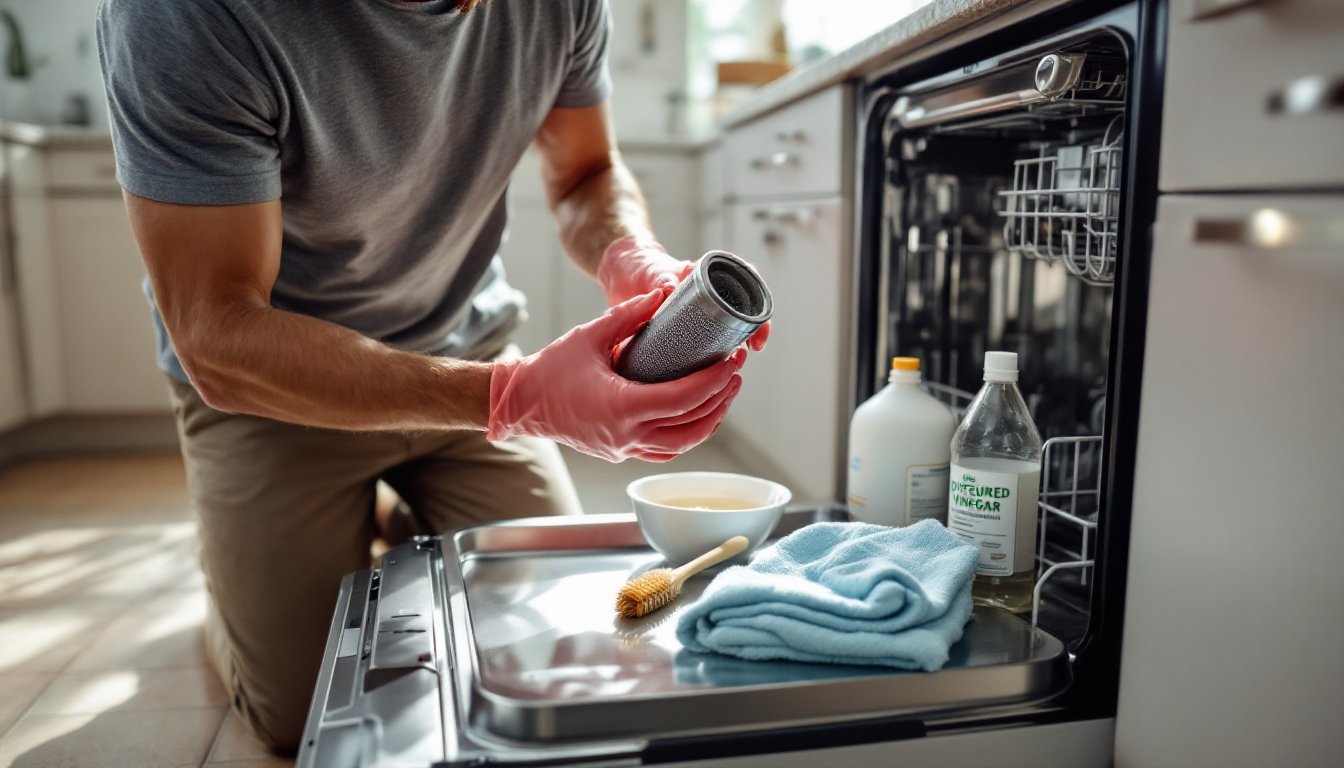
A dishwasher that smells funky or leaves residue on supposedly clean dishes isn’t doing its job. GE dishwashers are workhorses, but they need occasional maintenance to keep running efficiently. Food particles, grease, and mineral deposits build up in hidden spots, the filter, spray arms, and door gasket, compromising performance over time. The good news? A thorough GE dishwasher cleaning takes less than an hour and requires no special tools. This guide walks through every step, from scrubbing the filter to running the clean cycle, so the machine works like new again.
Table of Contents
ToggleKey Takeaways
- Clean your GE dishwasher’s filter, spray arms, and door gasket monthly to prevent food buildup, mold growth, and foul odors that compromise performance.
- Run a vinegar cleaning cycle every three to six months to dissolve grease, soap scum, and mineral deposits without expensive service calls.
- Unclog spray arm holes with a toothpick to restore water distribution and ensure even cleaning across all dishes.
- Pre-cycle maintenance takes less than an hour and requires only common household items like white vinegar, baking soda, and soft brushes—no special tools needed.
- Scrape plates before loading, use the correct detergent amount, and let the door air out after cleaning to prevent moisture buildup and extend your appliance’s lifespan.
Why Regular Cleaning of Your GE Dishwasher Matters
Skipping dishwasher maintenance creates a cascade of problems. Food debris trapped in the filter restricts water flow, reducing spray pressure and leaving dishes dirty. Grease and soap scum coat the interior walls and spray arms, creating an environment where bacteria and mold thrive, hence the sour smell that hits when the door opens.
Mineral deposits from hard water clog the tiny holes in spray arms, leading to uneven cleaning and spotty glassware. Over time, this buildup forces the pump to work harder, shortening the appliance’s lifespan. Regular cleaning prevents these issues, maintaining proper drainage and ensuring the heating element and detergent dispenser function correctly.
Most manufacturers, including GE, recommend monthly filter cleaning and a vinegar or descaling cycle every three to six months, depending on water hardness and usage frequency. Homes with hard water or heavy dishwasher use should clean more often. A few minutes of preventive care beats a service call or premature replacement.
What You’ll Need to Clean Your GE Dishwasher
Gather these supplies before starting:
Materials:
- White vinegar (distilled works best for descaling)
- Baking soda
- Dish soap (mild, unscented)
- Soft-bristle brush or old toothbrush
- Microfiber cloths or sponges
- Toothpick or straightened paper clip (for unclogging spray arm holes)
- Small bowl or basin (for soaking parts)
Optional but helpful:
- Commercial dishwasher cleaner (citric acid–based formulas work well for heavy mineral buildup)
- Rubber gloves (if handling grimy filters bothers anyone)
No power tools or exotic chemicals needed. Most homeowners already have these items. The toothbrush and toothpick are the secret weapons here, they reach into tight crevices where gunk hides.
Step-by-Step: Deep Cleaning Your GE Dishwasher Interior
Start with an empty dishwasher. Remove all racks and utensil baskets to access the bottom of the tub. Wipe down the interior walls, door, and bottom with a damp microfiber cloth to remove loose debris. Pay attention to corners and around the detergent dispenser, where soap residue accumulates.
Cleaning the Filter and Drain
The filter is the dishwasher’s first line of defense against food particles, and it’s usually the dirtiest component. In most GE dishwasher models, the filter assembly sits at the bottom center of the tub, beneath the lower spray arm.
To remove the filter:
- Locate the cylindrical filter cover. It typically has arrows indicating the unlock direction.
- Turn counterclockwise and lift out the upper filter and fine mesh screen.
- Check the lower filter basin (sometimes called the sump) for standing water or debris. Scoop out any visible chunks.
Rinse the filter under warm running water. Use a soft-bristle brush or old toothbrush to scrub away stuck-on gunk. Avoid harsh abrasives or steel wool, they can damage the mesh. For stubborn grease, soak the filter in warm, soapy water for 10–15 minutes, then scrub again.
Inspect the drain opening in the tub bottom. Wipe around the edges with a damp cloth and remove any debris. Many cleaning guides, including those from respected home cleaning authorities, emphasize this step, a clogged drain is the leading cause of standing water and poor wash performance.
Reinstall the filter by reversing the removal steps. Turn clockwise until it locks in place. A loose filter can rattle during cycles and allow food particles to recirculate.
Cleaning the Spray Arms
Spray arms distribute water throughout the dishwasher. Mineral deposits and food particles clog the small holes, reducing spray effectiveness. GE dishwashers usually have two or three spray arms: lower, mid-level, and sometimes an upper spray nozzle.
To clean the spray arms:
- Remove the lower spray arm by pulling up (some models have a snap-fit mount: others require unscrewing a center cap).
- Remove the upper spray arm by unscrewing the mounting nut or releasing the clip, depending on the model. Consult the owner’s manual if unsure, most GE models use a simple twist-off design.
- Rinse each arm under running water. Hold it up to the light and check for clogged holes.
- Use a toothpick or straightened paper clip to clear any blocked holes. Push gently to avoid enlarging the openings.
- Soak in warm, soapy water for 15 minutes if there’s heavy buildup, then scrub with a toothbrush.
Reinstall the spray arms, ensuring they spin freely. Test by hand, if there’s resistance, the mounting may be misaligned.
How to Clean the Door Gasket and Edges
The rubber gasket around the door traps moisture, food particles, and detergent residue, prime real estate for mold and mildew. This is where most dishwasher odors originate.
Dampen a microfiber cloth with warm, soapy water. Wipe the entire gasket, pulling gently to expose the folds where grime hides. Use an old toothbrush dipped in a mix of equal parts water and white vinegar to scrub stubborn spots. Avoid harsh chemicals or bleach, which can degrade the rubber over time.
Don’t forget the door edges and the top rim of the tub. These areas collect splattered food and detergent. Wipe thoroughly, then dry with a clean cloth. Regular attention to the gasket prevents the buildup that leads to unpleasant smells and potential leaks.
Running a Cleaning Cycle for Optimal Results
After scrubbing the components, a cleaning cycle tackles residue on interior surfaces and in the plumbing lines. This is where the GE dishwasher clean cycle proves invaluable.
Vinegar cycle:
- Place two cups of white vinegar in a dishwasher-safe bowl or measuring cup on the top rack.
- Run a normal or heavy wash cycle (no detergent) with hot water. The vinegar breaks down grease, soap scum, and light mineral deposits.
- Let the cycle complete. The dishwasher will smell slightly of vinegar, which dissipates as it dries.
Baking soda cycle (optional, for extra deodorizing):
- After the vinegar cycle, sprinkle one cup of baking soda across the bottom of the tub.
- Run a short hot water cycle (rinse or express wash). Baking soda neutralizes odors and provides gentle abrasive action.
For heavy mineral buildup or persistent odors, consider a commercial dishwasher cleaner formulated with citric acid. Follow the product instructions, most involve placing a tablet or pouch in the detergent dispenser and running a cleaning cycle. These products are particularly effective in hard water areas.
Some newer GE dishwasher models feature a dedicated Steam Clean or Sanitize cycle. If available, use it after a vinegar run for an extra-deep clean. Check the owner’s manual to confirm cycle availability and recommendations.
Avoid mixing vinegar and commercial cleaners in the same cycle, chemical reactions can damage seals and interior components. Stick to one cleaning method per cycle.
After the cycle finishes, wipe down the interior with a dry cloth to remove any remaining moisture. Leave the door ajar for 30 minutes to let everything air out. This prevents mildew from forming in a damp, closed environment.
Maintenance tips to keep the dishwasher clean longer:
- Scrape plates before loading. No need to pre-rinse, but large food chunks belong in the trash or compost.
- Run hot water at the sink before starting a cycle. This ensures the dishwasher fills with hot water immediately, improving detergent activation and cleaning power.
- Use the right detergent amount. Too much detergent creates residue: too little leaves dishes dirty. Follow dosage guidelines on the package, adjusting for water hardness.
- Check and clean the filter monthly. It takes two minutes and prevents most performance issues.
- Run a vinegar cycle every three months, or more often if water is hard or the dishwasher sees heavy use.
- Inspect spray arms quarterly. Clogs develop gradually: catching them early is easier than troubleshooting poor cleaning later.
By integrating these habits, homeowners extend appliance life and avoid the frustration of re-washing dishes by hand. For additional kitchen maintenance tips and appliance care guides, resources like The Kitchn and The Spruce offer comprehensive advice on keeping the entire home running smoothly.
A clean dishwasher is a functional dishwasher. With consistent attention to the filter, spray arms, and door gasket, plus periodic cleaning cycles, GE dishwashers deliver spotless dishes and odor-free performance for years.