Deep cleaning, also called scaling and root planing, is one of the most effective treatments for gum disease, but it’s not exactly gentle. If you’ve just had the procedure or you’re scheduled for one, you’re probably wondering what to expect afterward. Spoiler: your gums will need some recovery time. Unlike a routine cleaning, deep cleaning targets plaque and tartar below the gum line, which means more tissue manipulation and, often, some tenderness. Understanding what’s normal, what’s not, and how to care for your gums can make all the difference in healing quickly and avoiding complications. This guide walks through the recovery process step-by-step.
Table of Contents
ToggleKey Takeaways
- Gums after deep cleaning typically experience tenderness, mild bleeding, and swelling for the first few days, which is a normal part of the healing process triggered by tissue manipulation and inflammation resolution.
- Use a soft-bristled toothbrush with gentle circular motions and warm salt water rinses 2-3 times daily to keep the area clean without irritating sensitive gums after deep cleaning.
- Tooth sensitivity to cold or air is common after deep cleaning because the procedure exposes previously protected root surfaces that lack protective enamel, but this should improve within 2-4 weeks.
- Avoid soft foods, alcohol, tobacco, and straws for the first 48 hours post-procedure, and take over-the-counter pain relief proactively while sleeping with your head elevated to minimize swelling.
- Contact your dentist immediately if you experience persistent bleeding, fever, severe pain, pus discharge, or swelling that worsens after 24 hours, as these can indicate infection or complications.
What Happens to Your Gums During Deep Cleaning
During a standard cleaning, the hygienist removes plaque and tartar above the gum line. Deep cleaning goes further, literally. The dentist or hygienist uses specialized scalers and ultrasonic tools to clean below the gum line, scraping away buildup from the tooth roots. Root planing smooths the root surfaces so gums can reattach more cleanly.
This process disrupts the diseased tissue and bacteria pockets that have formed between the gums and teeth. In many cases, a local anesthetic is used to numb the area, especially if pockets are deep (typically 4mm or more). The procedure may be split across multiple visits, treating one or two quadrants of the mouth at a time.
Because the tools physically manipulate gum tissue and remove inflamed areas, some bleeding, swelling, and soreness afterward is expected. The gums have essentially been scraped clean of infection, which triggers an inflammatory healing response. Think of it like debriding an infected wound, you’re clearing out the bad to let healthy tissue grow back.
Most patients don’t realize how much inflammation they had until it starts to resolve. Gums may have been puffy, red, and bleeding easily before the cleaning. Post-procedure, they’ll look worse before they look better, but that’s part of the healing arc.
Normal Gum Reactions After Deep Cleaning
Expect your gums to feel tender and look pinker or redder than usual for the first few days. Mild bleeding when brushing or flossing is common for up to 72 hours post-procedure. You might also notice gum tissue pulling back slightly as swelling goes down, this is normal and often reveals more of the tooth surface than you’re used to seeing.
Some patients report a “raw” or scratchy feeling along the gum line, especially where deeper pockets were cleaned. This sensation usually fades within a week. Light swelling is typical, but it shouldn’t worsen after the first day. If swelling increases or spreads, that’s a red flag.
You may also experience temporary tooth sensitivity, particularly to cold or air. This happens because cleaning exposes parts of the tooth root that were previously covered by inflamed gum tissue or tartar. The roots don’t have enamel, so they’re more reactive to temperature changes. Sensitivity should improve as the gums heal and reattach.
Sensitivity and Discomfort Timeline
Day 1-2: Peak discomfort. Gums are most tender, and residual numbness from anesthetic wears off. Bleeding when brushing is common. Stick to soft foods and avoid anything crunchy, spicy, or acidic.
Day 3-5: Tenderness decreases noticeably. Bleeding should taper off. Sensitivity to temperature may still be present but manageable. You can start reintroducing firmer foods, but chew carefully.
Week 2-4: Gums firm up and begin to reattach to the tooth roots. Pinkness fades to a healthier color. Sensitivity continues to diminish. Many patients feel back to normal by the end of week two, though complete healing of deeper pockets can take up to six weeks.
If discomfort persists beyond two weeks or gets worse, contact your dentist. Prolonged pain can indicate infection or an area that didn’t heal properly.
How to Care for Your Gums After the Procedure
Post-procedure care isn’t complicated, but consistency matters. Your dentist will likely send you home with specific instructions, follow them. If not, here’s the standard protocol.
Avoid eating or drinking until the anesthetic wears off completely, usually within 2-3 hours. Chewing while numb can lead to accidental bites on your cheek or tongue. When you do eat, stick to soft, lukewarm foods for the first 24-48 hours: scrambled eggs, yogurt, mashed potatoes, smoothies. Skip anything that requires aggressive chewing or could irritate gums, chips, popcorn, crusty bread, citrus.
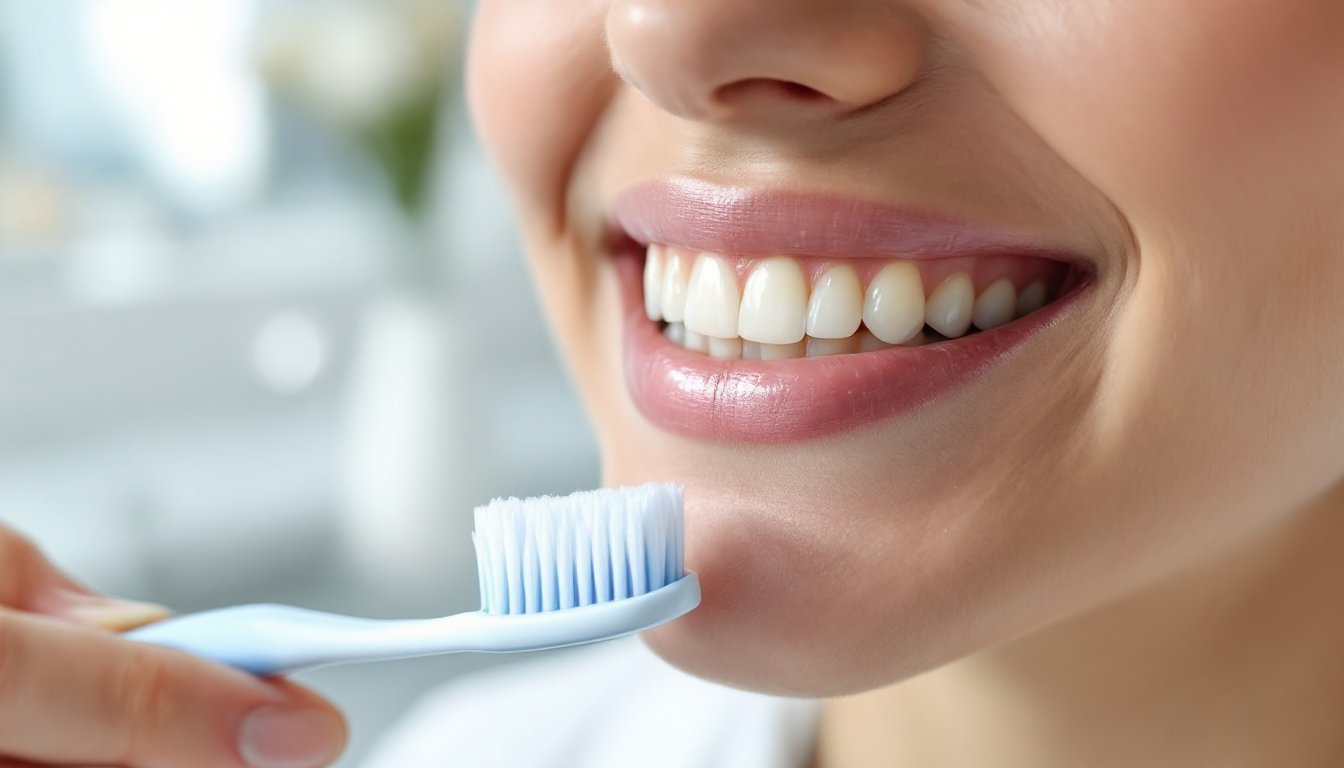
Brush gently but thoroughly. Don’t skip brushing out of fear, it’s critical to keep the area clean. Use a soft-bristle toothbrush and gentle circular motions. If your usual toothpaste stings, switch to a sensitive formula temporarily. Some dentists recommend a prescription-strength fluoride toothpaste to help with sensitivity and remineralization.
Floss carefully. Yes, even if your gums are sore. Skipping floss invites bacteria back into the pockets you just had cleaned. Slide the floss gently between teeth without snapping it against the gums. If traditional floss feels too harsh, try a water flosser with a sensitive setting designed for post-procedure care.
Rinse with warm salt water 2-3 times daily, especially after meals. Mix ½ teaspoon of salt in 8 ounces of warm water. Swish gently for 30 seconds, then spit. This helps reduce inflammation and keeps the area clean without the harshness of alcohol-based mouthwashes, which can sting and dry out tissue.
Avoid alcohol, tobacco, and straws for at least 48 hours. Smoking slows healing and increases infection risk significantly. Alcohol-based mouthwashes can irritate raw gums. Straws create suction that may dislodge healing tissue.
First 24-48 Hours: Critical Care Steps
The first two days set the tone for recovery. Here’s a checklist:
-
Manage pain proactively. Take over-the-counter pain relief as directed by your dentist, usually ibuprofen (Advil) or acetaminophen (Tylenol). Ibuprofen also reduces inflammation. Don’t wait until pain peaks: stay ahead of it.
-
Ice the outside of your face if swelling occurs. Apply an ice pack for 15 minutes on, 15 minutes off during the first 24 hours. This can minimize swelling and numb discomfort.
-
Sleep with your head elevated. Use an extra pillow. This reduces blood flow to the head and minimizes swelling and throbbing overnight.
-
Hydrate, but skip extreme temperatures. Room-temperature or slightly cool water is ideal. Very hot or very cold drinks can trigger sensitivity or disrupt clotting.
-
Monitor for unusual symptoms. A little bleeding is fine. Persistent bleeding that doesn’t stop with gentle pressure, fever above 100.4°F, pus, or severe swelling are not normal, call your dentist immediately.
After the first 48 hours, gradually return to your normal routine, but maintain excellent oral hygiene. Your dentist may schedule a follow-up visit in 4-6 weeks to check pocket depth and healing progress.
When to Contact Your Dentist About Gum Concerns
Most discomfort resolves on its own, but certain symptoms warrant a call. Contact your dentist if you experience:
• Heavy or continuous bleeding that doesn’t stop after applying gentle pressure with clean gauze for 10 minutes.
• Fever or chills, especially if accompanied by swelling or pus. This can signal infection.
• Severe, worsening pain that isn’t relieved by over-the-counter medication. Some soreness is expected, but escalating pain is not.
• Pus or foul-smelling discharge from the gum line. This indicates infection and may require antibiotics.
• Swelling that spreads to your face, jaw, or neck, or swelling that gets worse after the first 24 hours.
• Difficulty swallowing or breathing. Rare, but requires immediate medical attention.
• Loose teeth or significant gum recession that seems sudden. While some tissue shrinkage is normal as inflammation resolves, dramatic changes should be evaluated.
• Numbness lasting beyond 4-6 hours post-procedure. While anesthetic effects vary, prolonged numbness could indicate nerve irritation.
Don’t hesitate to call even if you’re unsure. Dentists would rather reassure you over the phone than treat a delayed complication. If your office is closed and symptoms are severe, high fever, uncontrolled bleeding, trouble breathing, go to an urgent care or emergency room.
Also, keep your follow-up appointment. The dentist will measure pocket depths again to confirm healing. If pockets haven’t improved, further treatment (like another round of deep cleaning or even gum surgery) may be necessary.
Conclusion
Healing after deep cleaning takes patience and diligence, but the payoff is healthier gums and a lower risk of tooth loss. Stick to gentle care, watch for warning signs, and maintain the hygiene habits that’ll keep bacteria from recolonizing those pockets. Your gums went through a lot, give them the recovery time they need, and they’ll repay you with better long-term oral health.