When a plunger and drain snake fail to clear stubborn clogs, it’s time to consider hydro jetting. This high-pressure water cleaning method has become the go-to solution for homeowners dealing with recurring backups, slow drains, and sewer line obstructions. Unlike traditional snaking that pokes a hole through debris, hydro jetting scours the entire pipe interior clean. If you’re searching for “hydro jetting drain cleaning near me,” you’re likely past the DIY stage and ready for professional intervention. This guide breaks down what hydro jetting is, when you need it, how to find qualified pros, and what you’ll pay.
Table of Contents
ToggleKey Takeaways
- Hydro jetting drain cleaning uses 3,000–4,000 PSI of pressurized water to completely scour pipe interiors, making it far more effective than plunging or snaking for recurring clogs and buildup.
- Before hiring for hydro jetting drain cleaning near you, verify the plumber is licensed, insured, and uses sewer camera inspection equipment to assess pipes before and after the job.
- Recurring clogs, multiple slow drains, foul odors, and grease accumulation are key signs you need professional hydro jetting rather than DIY or chemical solutions.
- Residential hydro jetting typically costs $350–$600, but prices vary based on pipe length, material condition, cleanout access, and geographic location—always get itemized quotes from at least three providers.
- Never attempt hydro jetting with a pressure washer; this professional procedure requires specialized equipment, training, and video inspection to prevent pipe rupture and safety hazards.
- Hydro jetting is ideal for systemic buildup and recurring blockages but won’t solve collapsed pipes or severe structural damage, which require camera diagnosis and possible pipe replacement.
What Is Hydro Jetting and How Does It Work?
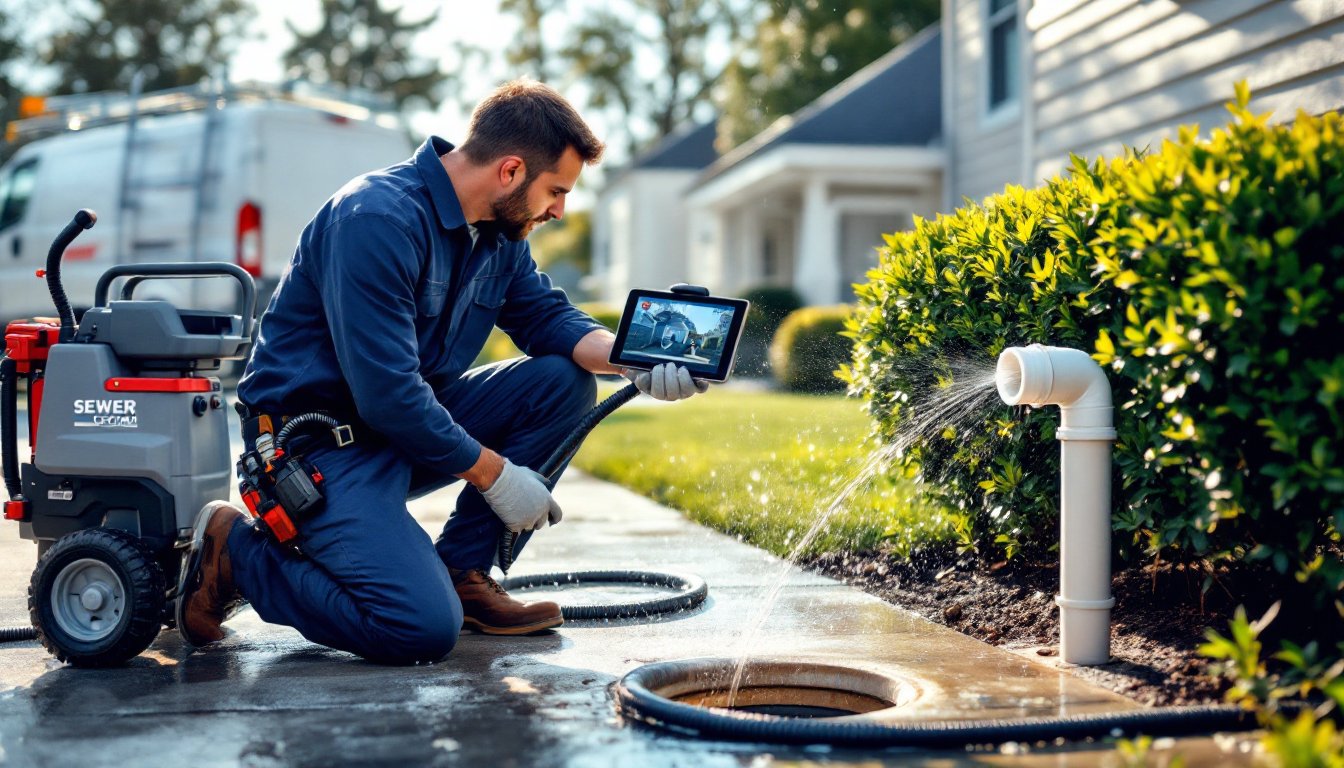
Hydro jetting uses high-pressure water, typically between 3,000 and 4,000 PSI, delivered through a specialized nozzle to blast away clogs, grease buildup, mineral scale, and tree root intrusions inside sewer lines and drains. The equipment includes a high-pressure hose, a water tank, and a machine that pressurizes the water to force it through the pipes.
The technician inserts the hose through a cleanout access point (usually a capped opening in your home’s main drain line or outside near the foundation) and feeds it into the pipe. The nozzle at the tip shoots water forward to break up blockages while rear-facing jets propel the hose deeper into the line and scour the pipe walls clean. The debris flows downstream and out to the municipal sewer or septic system.
This isn’t a DIY job. Hydro jetting requires professional-grade equipment, training, and a pre-inspection with a sewer camera to identify pipe condition. Older pipes, especially cast iron, clay, or Orangeburg, can collapse under high pressure if they’re already cracked or corroded. Licensed plumbers conduct a video inspection first to ensure the pipe can handle the procedure safely.
Signs Your Home Needs Hydro Jetting Services
Not every slow drain needs hydro jetting, but certain red flags indicate it’s time to call a pro:
- Recurring clogs: If you’re snaking the same drain every few months, the problem is buildup on the pipe walls, not a one-time obstruction.
- Multiple drains backing up simultaneously: When toilets, showers, and sinks all drain slowly or gurgle together, the main sewer line is compromised.
- Foul odors from drains: Persistent sewer gas smells suggest organic material stuck in the line that chemical cleaners can’t reach.
- Sewage backup in basement floor drains or cleanouts: This indicates a main line blockage and requires immediate professional attention.
- Visible grease or soap scum buildup: Kitchen lines accumulate grease: bathroom lines collect soap residue and hair. Both create narrowing pipes over time.
- Tree root invasion: If you have mature trees near your sewer line and experience slow drainage, roots may have infiltrated through pipe joints.
Hydro jetting excels at clearing grease, sludge, and soft roots. Hard tree roots or collapsed pipes require mechanical cutting or pipe replacement. A camera inspection reveals which solution your system needs.
How to Find Reputable Hydro Jetting Services Near You
Finding a qualified hydro jetting pro requires more legwork than hiring someone to unclog a toilet. Follow these steps:
Check licensing and insurance. Verify the plumber holds a current state or local plumbing license (requirements vary by jurisdiction). Confirm they carry liability insurance and workers’ comp coverage. If something goes wrong, like a pipe rupture, you need protection.
Look for sewer camera inspection equipment. Reputable companies inspect pipes with a video camera before and after hydro jetting. Before photos identify the problem and pipe condition: after photos confirm the line is clean. Avoid anyone who wants to hydro jet without looking first.
Read reviews with specifics. On platforms like HomeAdvisor, look for reviews that mention resolution of tough clogs, professionalism, and before-and-after documentation. Avoid companies with vague testimonials or no online presence.
Ask about equipment specs. Professional hydro jetters should reach at least 3,000 PSI for residential work. Lower pressure won’t cut through grease: higher pressure (4,000+ PSI) is used for commercial lines or heavy root intrusion.
Get multiple quotes. Request on-site estimates from at least three licensed plumbers. They should ask about your home’s age, pipe material, symptoms, and previous drain work. Legitimate pros won’t quote over the phone without seeing the system.
Verify cleanout access. If your home lacks a main line cleanout, the plumber may need to remove a toilet or install a cleanout, adding cost and complexity. Discuss this upfront.
What to Expect: The Hydro Jetting Process Explained
Understanding the procedure helps you evaluate whether a contractor is doing the job right. Here’s how a professional hydro jetting service unfolds:
-
Initial consultation and symptom review: The plumber asks about drainage issues, frequency of clogs, and any previous repairs. They locate your main sewer cleanout (usually a 3- or 4-inch capped PVC pipe near the foundation or in the basement).
-
Video camera inspection: A waterproof camera feeds through the cleanout to map the line, identify blockages, assess pipe condition, and locate any cracks or root intrusions. This step is non-negotiable for safety.
-
Setup and safety checks: The technician connects the hydro jetter to a water source (truck-mounted tank or your home’s water supply) and positions the hose at the cleanout. They wear safety goggles and gloves to protect against splashback and debris.
-
Jetting the line: The nozzle enters the pipe and travels toward the blockage, shooting water in all directions to scour the interior. The tech adjusts pressure based on pipe material and buildup severity. The process typically takes 30 minutes to 2 hours depending on line length and obstruction.
-
Post-jetting inspection: The camera goes back in to confirm the pipe is clean and intact. You should see clear, smooth walls with no remaining debris.
-
Cleanup and maintenance advice: The tech flushes the cleanout, reassembles access points, and advises on preventing future clogs (enzyme treatments, grease disposal habits, etc.).
Safety note: Never attempt hydro jetting with a pressure washer. Residential pressure washers lack the PSI, specialized nozzles, and hose length to reach deep clogs, and improper use can rupture pipes or cause injury.
Cost of Hydro Jetting Services and Pricing Factors
Hydro jetting typically costs $350 to $600 for a standard residential main sewer line, though prices range widely based on several factors:
Job complexity and pipe length: A straightforward 50-foot line with grease buildup costs less than a 150-foot line with tree roots and multiple bends. Longer runs require more time and water.
Pipe material and condition: Older clay or Orangeburg pipes need gentler pressure and more care, increasing labor time. Modern PVC or ABS lines tolerate higher pressure and faster cleaning.
Camera inspection fees: Many contractors bundle camera work into the hydro jetting price, but standalone inspections run $100 to $250. Always confirm whether the quote includes before-and-after video.
Cleanout access: If your home lacks a cleanout, installing one adds $200 to $800 depending on location and excavation needs. Some plumbers remove a toilet to access the line, which is faster but messier.
Geographic location: Urban markets and high-cost-of-living areas charge more. Rates in major metros can hit $800+, while rural areas may see $300 for basic jobs.
Many cost estimators show that severe root intrusions or commercial-grade work can exceed $1,000. Get itemized quotes that separate inspection, jetting, and any repairs or cleanout installation.
Don’t chase the lowest bid. Fly-by-night operators skip camera inspections, use underpowered equipment, or lack insurance. A burst pipe from improper jetting can cost thousands in repairs.
Hydro Jetting vs. Traditional Drain Cleaning Methods
Homeowners often wonder whether they need hydro jetting or if a cheaper method will suffice. Here’s how the options compare:
Drain snaking (augering): A motorized cable with a cutting head bores through clogs to restore flow. It works for isolated blockages like hair or small objects but leaves buildup on pipe walls. Clogs often return within months. Cost: $100 to $250.
Chemical drain cleaners: Liquid or gel products dissolve organic material but can’t touch grease, mineral scale, or roots. Overuse damages pipes, especially older metal lines. Not effective for main sewer lines. Cost: $10 to $30 per bottle.
Enzymatic treatments: Biodegradable bacteria break down organic waste over several weeks. Good for maintenance but useless against existing clogs. Works best as a preventive measure after hydro jetting. Cost: $15 to $40.
Hydro jetting: Completely clears all buildup, restoring pipes to near-original diameter. Ideal for recurring clogs, grease accumulation, and light to moderate root intrusion. Doesn’t help with collapsed or severely damaged pipes. Cost: $350 to $600+.
When to snake instead: If you have a one-time clog from a toy or hygiene product, snaking is faster and cheaper. Use hydro jetting for systemic buildup.
When to replace pipes: Camera inspection may reveal pipes beyond saving, extensive cracks, corrosion, or collapse. In those cases, hydro jetting won’t help and could worsen damage. Pipe bursting or open-trench replacement becomes necessary. Consult a licensed plumber for structural pipe issues.
For hands-on homeowners, DIY plumbing guides cover basic drain maintenance and when to call a pro. Hydro jetting always falls in the “call a pro” category.
Conclusion
Hydro jetting delivers unmatched results for stubborn clogs and pipe buildup, but it’s not a DIY fix. Hire a licensed, insured plumber who performs camera inspections before and after the job. Expect to pay $350 to $600 for residential work, and don’t skip the video documentation. When your drains run clear and your sewer line is scoured clean, you’ll know the investment was worth it.