Slow drains, gurgling sounds, and standing water aren’t just annoying, they’re early warnings of plumbing problems that can escalate into expensive repairs. While some homeowners reach for a bottle of chemical drain cleaner or a plunger, certain clogs and blockages require professional equipment and expertise. Knowing when to call a local drain cleaning service and how to choose a reliable one saves time, prevents damage, and keeps plumbing systems running smoothly. This guide walks through the warning signs, what to look for in a contractor, and what happens during a professional service call.
Table of Contents
ToggleKey Takeaways
- Professional local drain cleaning uses advanced tools like hydro-jetters and video cameras to safely remove blockages that chemical cleaners and DIY methods cannot address.
- Warning signs such as multiple slow drains, gurgling sounds, foul odors, and water backing up into other fixtures indicate you need professional drain cleaning service before problems escalate.
- Verify that drain cleaning contractors hold valid plumbing licenses, maintain liability insurance, and own specialized equipment like hydro-jetters and video inspection cameras before hiring.
- Basic drain snaking costs $125–$250, while main sewer line cleaning runs $300–$600, with emergency after-hours service adding 50–100% to standard rates.
- Schedule professional drain cleaning every 18–24 months to extend your plumbing system’s lifespan and prevent expensive repairs from buildup and pipe damage.
- Read online reviews on Google, Yelp, and the Better Business Bureau to verify reliability, and prioritize contractors with transparent upfront pricing and emergency availability.
Why Professional Drain Cleaning Matters for Your Home
DIY fixes have their place, but professional drain cleaning addresses problems that store-bought solutions can’t touch. Chemical drain cleaners can corrode older pipes, especially galvanized steel or cast iron, and rarely dissolve grease, soap scum, or tree root intrusions completely. A plunger or hand auger handles minor stoppages, but deep clogs in the main sewer line or secondary branches need specialized equipment.
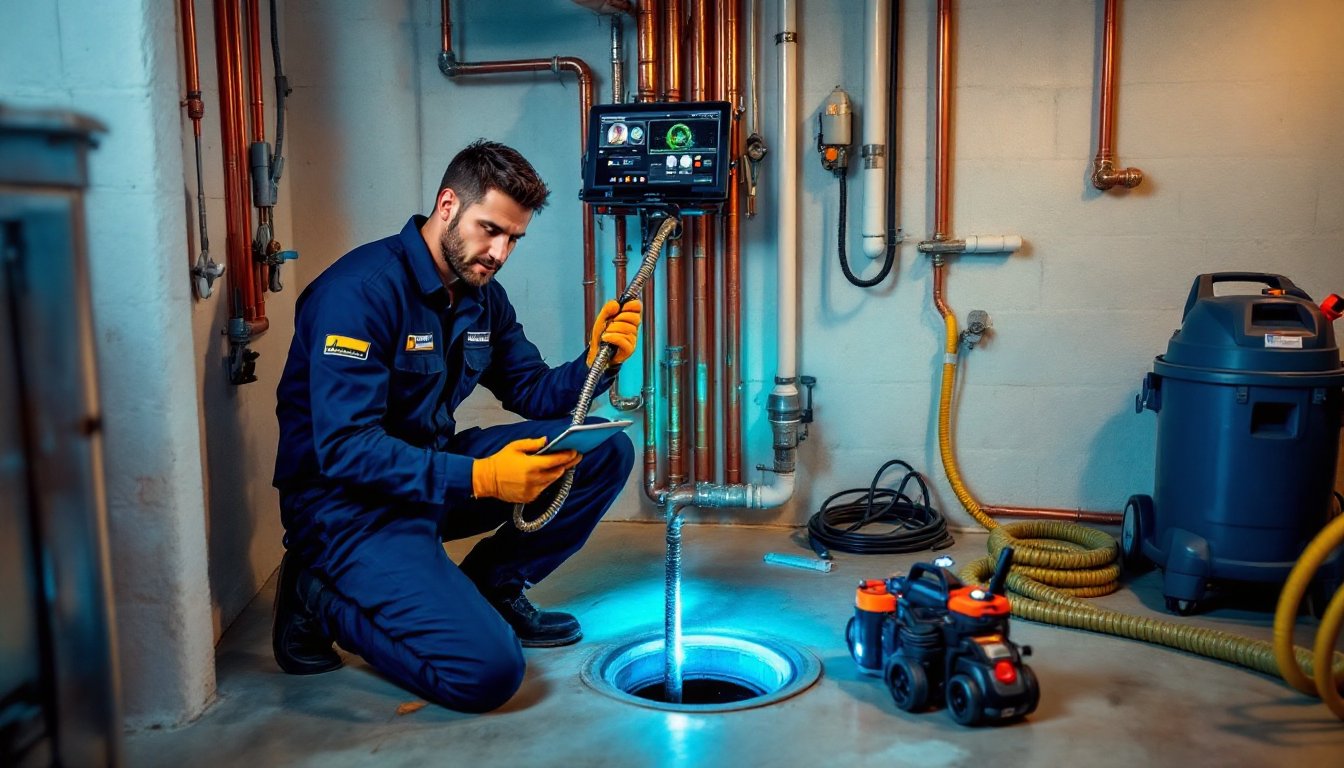
Professional plumbers use tools like motorized drain snakes, hydro-jetters, and video inspection cameras. Hydro-jetting, which blasts water at up to 3,500 PSI, scours the inside of pipes and removes years of buildup without damaging modern PVC or ABS lines. Video cameras identify the exact location and cause of a blockage, whether it’s tree roots, a collapsed pipe, or flushed debris, so technicians can recommend the right fix instead of guessing.
Regular professional cleaning also extends the lifespan of plumbing systems. Buildup in kitchen and bathroom drains reduces flow capacity and increases pressure on joints and seals. Over time, that pressure leads to leaks or burst pipes. Many plumbers recommend maintenance cleaning every 18 to 24 months for homes with older systems or heavy water usage.
Signs You Need to Call a Local Drain Cleaning Service
Recognizing the difference between a minor inconvenience and a serious problem saves homeowners from flooding or sewer backups. Here are the key indicators:
• Multiple slow drains: If sinks, tubs, and toilets all drain sluggishly at once, the blockage is likely in the main sewer line, not a single fixture trap.
• Gurgling sounds: Air bubbles escaping through drains signal a partial clog. When water can’t flow freely, it displaces air, which gurgles up through the nearest vent or drain.
• Persistent foul odors: Sewer gas smells indicate a buildup of organic material, grease, or a dry trap. If running water doesn’t eliminate the odor, there’s a blockage somewhere in the system.
• Water backing up into other fixtures: Flushing a toilet that causes water to bubble up in a bathtub or sink means a shared drain line is obstructed. This is a red flag for a main line issue.
• Standing water in floor drains: Basements, laundry rooms, and garages often have floor drains tied to the main sewer. Water pooling there suggests a blockage downstream.
• Frequent clogs in the same fixture: A kitchen sink that clogs every few weeks even though careful use points to a deeper issue, grease buildup, a misaligned pipe, or inadequate venting.
If any of these problems appear, skip the chemical cleaners. They won’t clear the blockage and may make inspection or repair harder by leaving caustic residue inside pipes.
How to Find Reliable Drain Cleaning Services Near You
Not all drain cleaning companies operate with the same level of skill or transparency. Start by confirming basic credentials: a valid plumbing contractor’s license and liability insurance. Most states require plumbers to hold a journeyman or master license for drain work, especially if it involves cutting into pipes or accessing sewer lines.
Ask about equipment before booking. Companies that rely solely on hand augers for every job may not have the tools to handle stubborn clogs or perform diagnostics. Look for businesses that own hydro-jetters and video inspection cameras, these indicate they invest in thorough service, not just quick fixes.
Request upfront pricing. Reputable contractors provide free estimates or flat-rate pricing for standard drain cleaning. Be cautious of companies that quote unusually low rates, then add fees once they arrive. Ask if there’s a service call charge that applies to the final invoice or stands alone if the homeowner declines the work.
Confirm availability for emergencies. Sewer backups and main line clogs don’t follow business hours. Many established drain services offer 24/7 emergency response, though after-hours rates typically run 1.5 to 2 times higher than daytime calls.
Online Reviews and Local Recommendations
Online reviews offer a snapshot of a company’s consistency and customer service, but read them critically. A few one-star reviews aren’t dealbreakers if most feedback is positive and the business responds professionally to complaints. Look for patterns: mentions of punctuality, cleanliness, whether the technician explained the issue, and if the initial quote matched the final bill.
Check platforms that verify service providers, such as local contractor directories with reviews, which vet businesses for licensing and insurance. Cross-reference reviews on Google, Yelp, and the Better Business Bureau.
Personal referrals from neighbors or local hardware store staff often point to contractors who’ve built a reputation over years, not just online visibility. DIY plumbing resources sometimes highlight red flags to watch for when hiring pros, such as high-pressure upselling or refusal to provide written estimates.
What to Expect During a Professional Drain Cleaning
Most service calls follow a standard sequence, though specifics depend on the problem and the contractor’s approach.
1. Assessment and Diagnosis: The technician asks about symptoms, when the problem started, which fixtures are affected, any recent DIY attempts. They may run water or flush toilets to observe drainage and identify the location of the clog.
2. Camera Inspection (if needed): For persistent or recurring clogs, many plumbers insert a flexible video camera into the cleanout or drain line. The camera feeds live footage to a monitor, showing the blockage type, depth, and pipe condition. This step adds $100 to $250 to the service cost but prevents guesswork.
3. Clearing the Blockage: Depending on the diagnosis, the plumber uses a motorized auger (drain snake) or hydro-jetter. An auger cuts through clogs with a rotating cable tipped with a cutting head. Hydro-jetting flushes out grease, mineral deposits, and root intrusions. Hydro-jetting is more thorough but not suitable for fragile or damaged pipes.
4. Testing and Cleanup: After clearing the line, the technician runs water to confirm proper flow and checks for leaks. They should clean up any water or debris and may sanitize the work area if sewage was involved.
5. Recommendations: A good contractor explains what caused the clog and suggests prevention steps, installing a grease trap, replacing a section of corroded pipe, or trimming tree roots near the sewer line. If they found a structural issue (collapsed pipe, root intrusion), they’ll provide a separate estimate for repair.
Most drain cleaning appointments take 1 to 2 hours for straightforward clogs. Main sewer line work or complex blockages may require a follow-up visit.
Cost Factors for Local Drain Cleaning Services
Pricing varies by region, the severity of the clog, and the contractor’s overhead. Here’s a breakdown of typical costs as of 2026:
• Basic drain snaking (sink, tub, or toilet): $125 to $250. This covers a straightforward stoppage within a few feet of the fixture.
• Main sewer line cleaning: $300 to $600. Accessing the main line through a cleanout and clearing blockages deeper in the system costs more due to time and equipment.
• Hydro-jetting: $350 to $700 for residential lines. The cost reflects the specialized equipment and higher effectiveness for tough clogs.
• Video camera inspection: $100 to $250 as an add-on, or included in higher-tier service packages.
• Emergency or after-hours service: Add 50% to 100% to standard rates for nights, weekends, or holidays.
Additional factors that affect pricing include accessibility (a cleanout in the basement is easier to reach than one buried in the yard), the age and material of pipes, and whether the technician needs to remove a toilet to access a clog.
Some contractors offer maintenance plans that bundle annual or biannual cleanings at a discounted rate, useful for older homes or those with large trees near sewer lines. When comparing quotes, make sure they include the same scope of work. A low bid that skips inspection or testing may end up costing more if the problem recurs. Cost estimation tools can provide ballpark figures for specific zip codes, helping homeowners spot outlier bids.
Conclusion
Choosing a local drain cleaning service doesn’t have to be stressful. Focus on credentials, equipment, transparent pricing, and a track record of satisfied customers. Address slow drains and warning signs early, waiting turns a routine cleaning into an emergency repair. A reliable plumber not only clears the immediate problem but also helps homeowners understand their plumbing system and prevent future headaches.